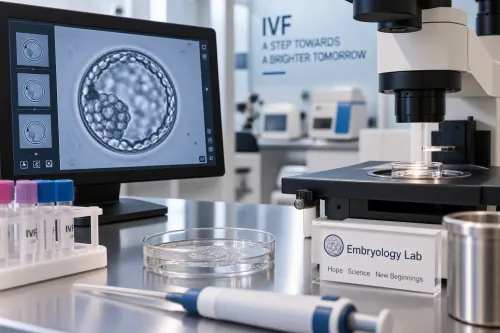

The blastocyst transfer procedure in IVF focuses on transferring embryos at a slightly later stage of development, usually around day five. This approach allows better selection of embryos and can support improved implantation potential in certain cases.
At Bagul Nursing Home and Dr. Bagul’s Hope IVF Center in Nashik, blastocyst transfer is considered after closely monitoring embryo growth in a controlled environment. By allowing embryos to develop further before transfer, specialists can identify those with stronger developmental patterns, which may influence treatment planning.
For many patients, the idea of waiting longer before transfer raises questions. However, this timing can actually provide more clarity rather than delay. It helps align the embryo stage more closely with the natural conditions of the uterus, which can be beneficial in specific situations.
Like many aspects of fertility care, this approach is not universal, it depends on individual factors and medical evaluation. The goal is always to choose the method that aligns best with the patient’s condition and treatment plan.
If you’re exploring IVF options, understanding how timing and embryo development influence outcomes can help you feel more informed and prepared for the journey ahead.
Keywords