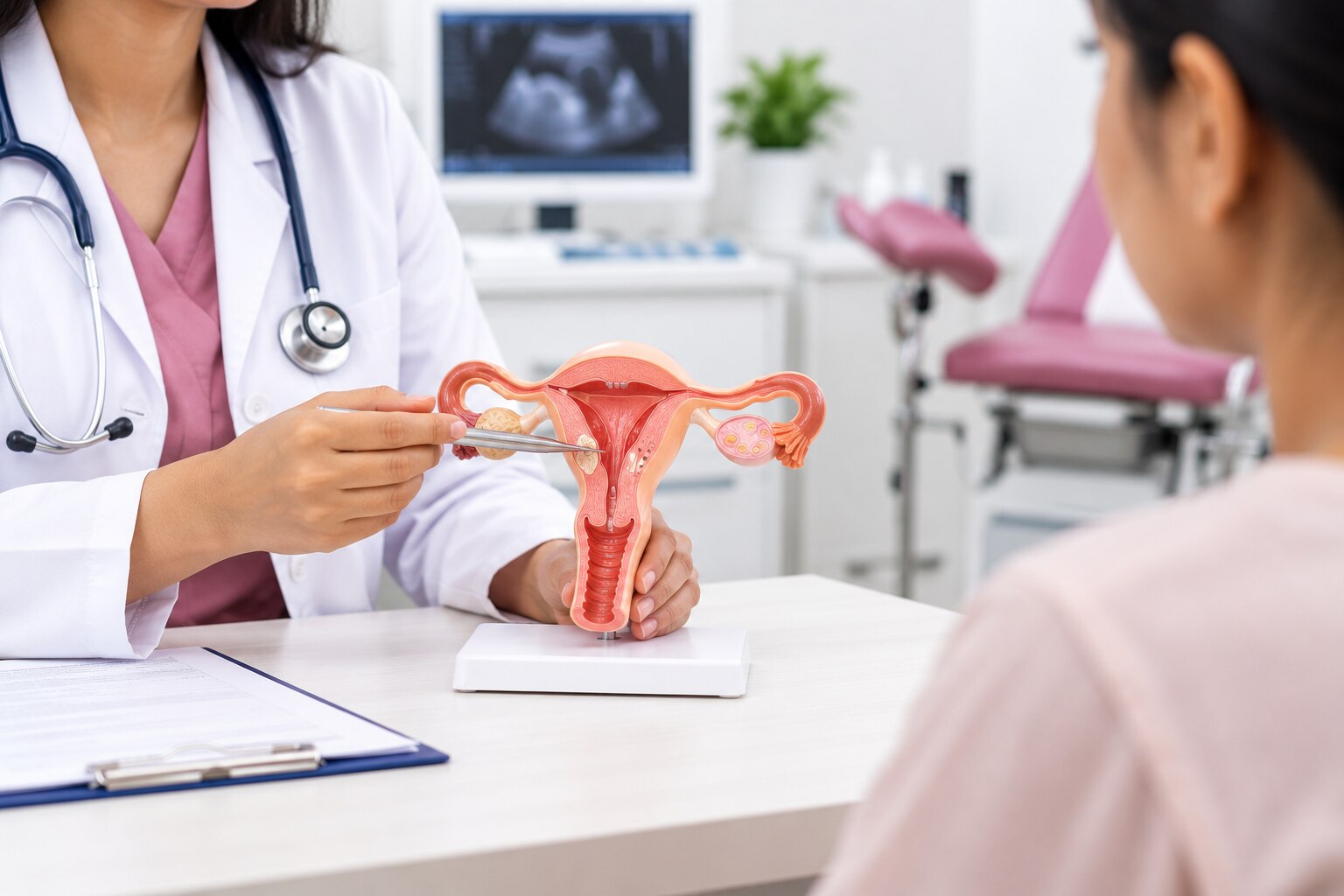
A first visit for pelvic pain, abnormal bleeding, discharge, infertility or a lump usually starts with questions and examination before a treatment decision is made. You will be able to prepare for the appointment, understand why particular tests are chosen, compare treatment routes and recognise when follow-up or emergency care is necessary.
Key takeaways
- Expect a confidential history before scans or other tests.
- Ask what each test will change in your treatment plan.
- Discuss observation, medicines, procedures and surgery before deciding.
- Seek urgent care for heavy bleeding, severe pain or fever after treatment.
Your first appointment: history, examination and a focused testing plan
The gynaecological condition treatment process in Nashik usually starts with a confidential history, not an automatic scan. The clinician asks what brought you in, then chooses an examination and tests that fit your symptoms, age, pregnancy possibility and fertility plans.
1. Bring a symptom record: pain location and timing, bleeding dates and amount, discharge changes, fever, urinary symptoms, your last menstrual period and home pregnancy-test results.
2. Carry previous ultrasound, Pap or HPV reports, operation notes and prescriptions. List every medicine, supplement, allergy, medical condition, contraception method and previous pregnancy or procedure.
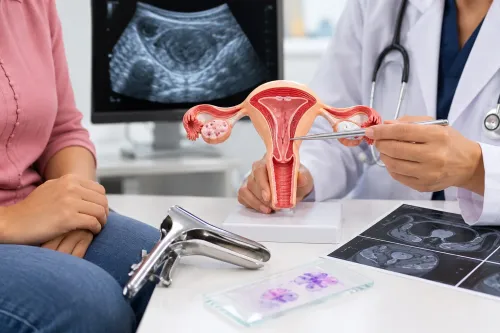
3. Expect questions about sexual history when relevant. A pelvic examination is not automatic; it is more likely for abnormal bleeding, discharge, pelvic pain, prolapse or a cervical or vaginal concern. Ask for an explanation before each step, and give consent.
4. The focused plan may include a urine or blood pregnancy test, blood count, infection swabs, cervical sampling or ultrasound. A pregnancy test matters even with an apparently unrelated complaint because pregnancy changes both diagnosis and treatment safety.
5. Ask what each test can establish, when results will arrive, the likely treatment choices and whom to contact after hours. An abnormal cervical screening result indicates HPV or cell changes, not cancer; follow-up can include repeat testing, colposcopy or biopsy.
For women health treatment in Nashik, use emergency care instead of a routine appointment for collapse, dizziness with heavy bleeding, severe one-sided pain, fever with pelvic pain or suspected ectopic pregnancy.
How doctors investigate bleeding, pain, infertility, discharge and lumps
The symptom determines the test, but a urine or blood pregnancy test can come first for bleeding, pelvic pain or an unrelated complaint. Pregnancy changes both the likely diagnosis and the safe treatment options.
| Symptom | Tests that might be used | What the result can establish |
|---|---|---|
| Abnormal or postmenopausal bleeding | Pelvic examination, pregnancy test, blood count, pelvic ultrasound, endometrial biopsy | Finds anaemia, pregnancy, fibroids, polyps, a thickened uterine lining or abnormal cells; a biopsy examines tissue, not just its appearance |
| Pelvic pain | Pregnancy test, urine test, pelvic examination, ultrasound, infection swabs | Checks for ectopic pregnancy, urinary infection, ovarian cysts, fibroids or pelvic infection; a normal scan does not exclude endometriosis |
| Infertility | Ovulation blood tests, pelvic ultrasound, semen analysis, HSG or HyCoSy | Assesses ovulation, ovarian and uterine structure, sperm count and whether the fallopian tubes are open |
| Vaginal discharge | Speculum examination, vaginal or cervical swabs, urine testing | Identifies infections such as bacterial vaginosis, candidiasis or sexually transmitted infections; appearance alone cannot confirm the cause |
| A pelvic or vaginal lump | Examination, ultrasound, and sometimes MRI or biopsy | Shows whether the lump involves the vulva, vagina, uterus or ovary and whether tissue needs laboratory testing |
A cervical screening test detects HPV or cellular changes; it does not diagnose cancer. Abnormal results can lead to colposcopy and biopsy. Consent and an explanation should precede an internal examination.
For gynaecological diagnosis in Nashik, seek emergency care for severe one-sided pain, fainting, collapse, fever with pelvic pain or heavy bleeding causing dizziness, especially if pregnancy is possible.
Choosing between observation, medicines, procedures and surgery
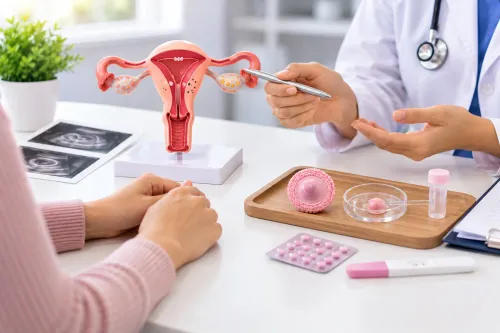
You and the gynaecologist choose treatment from the diagnosis, symptom severity, scan findings, age, medical history and your preferences—not from a scan label alone. At a gynaecology treatment clinic in Nashik, ask what happens if you treat now, wait, or choose a more invasive option.
| Option | What it means | When it applies |
|---|---|---|
| Observation | Monitor symptoms, examination findings and repeat tests | Mild symptoms, reassuring results, or a condition unlikely to worsen quickly |
| Medicines | Hormonal or non-hormonal treatment, or antibiotics | Heavy bleeding, endometriosis symptoms, or a confirmed or strongly suspected infection |
| Procedure | A targeted treatment such as polyp removal, biopsy or hysteroscopy | A removable lesion, persistent bleeding, or a finding needing tissue diagnosis |
| Surgery | Laparoscopic, vaginal or open treatment | Selected fibroids, prolapse, persistent ovarian pathology, or symptoms not controlled by simpler treatment |
Fertility plans can change the recommendation. If you want a future pregnancy, the discussion may favour medicines, hysteroscopic polyp removal, fibroid treatment that preserves the uterus, or observation instead of hysterectomy. Treatment of an ovarian problem also weighs ovarian tissue preservation and the effect on egg supply.
Tell the doctor whether you are trying to conceive, delaying pregnancy, or have completed your family. A medicine suitable when pregnancy is not planned may need changing before conception, while surgery may be timed around fertility treatment or pregnancy plans.
For women health treatment in Nashik, ask about expected benefit, side effects, recovery time, fertility impact, alternatives and the point at which observation must end. You can request a second opinion before irreversible surgery.
What outpatient tests and operations feel like, from preparation to discharge
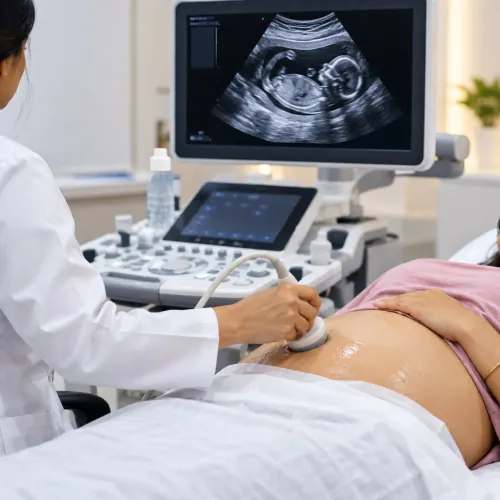
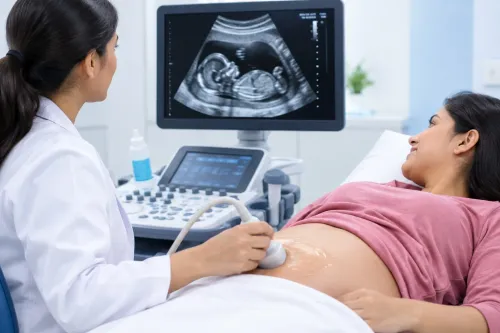
An ultrasound usually takes 15–30 minutes. For a transabdominal scan, drink water so your bladder is comfortably full; for a transvaginal scan, empty it first. The covered probe enters the vagina after consent, and pressure can feel uncomfortable but should not be sharply painful. Tell the sonographer if pregnancy is possible.
A cervical or endometrial biopsy involves a speculum, antiseptic cleaning and a small tissue sample. Expect brief cramping and light spotting; ask whether to take pain relief beforehand and when to avoid intercourse or tampons. Hysteroscopy passes a narrow camera through the cervix into the uterus, using fluid to open the cavity.
Cramping is common, and a polyp or biopsy can sometimes be treated during the same visit. Sedation requires an escort home.
For surgery, preparation and recovery differ:
- Laparoscopic surgery uses small abdominal cuts and general anaesthesia. Do not eat or drink for the fasting period given by the hospital; arrange transport and help for the first night. Shoulder-tip gas pain and tiredness are common, with lighter activity for several days.
- Vaginal surgery avoids abdominal cuts but can cause vaginal soreness and discharge. Arrange sanitary pads, loose clothing and help at home; avoid lifting, swimming and vaginal intercourse until cleared.
- Open abdominal surgery needs a longer hospital stay and recovery because of the larger incision. Keep the wound clean, walk as instructed to reduce clot risk and avoid heavy lifting for the advised period.
The gynaecological condition treatment process in Nashik should include written discharge instructions, prescribed medicines, pathology follow-up and an emergency contact. Ask a gynaecology treatment clinic in Nashik who to call for fever, worsening pain, heavy bleeding or wound redness.
Follow-up, pathology, costs and warning signs after treatment
Your discharge instructions should state the medicines, wound or bleeding expectations, activity restrictions, follow-up date and contact number. Ask when pathology results will be ready and how they will be explained. A cervical screening abnormality is not a cancer diagnosis; it may lead to repeat testing, colposcopy or biopsy.
Persistent symptoms still need review after a normal screening result.
Before leaving a Nashik clinic, verify:
- Whether the quoted cost includes consultation, anaesthesia, procedure, pathology, medicines, hospital stay and follow-up
- Whether tissue removed during biopsy or surgery will go to a named pathology laboratory, and how you will receive the report
- Which symptoms are expected, how long they should last, and who covers care outside clinic hours
- Whether a pregnancy test is needed before treatment or medication, particularly with bleeding or pelvic pain
- Whether fertility plans change the follow-up or treatment choice
For gynaecological diagnosis in Nashik, keep copies of the operative note, ultrasound report, prescription and pathology report. Bagul Nursing Home & Dr. Bagul’s Hope IVF Center can clarify whether a result requires another appointment rather than leaving you to interpret medical wording alone.
Seek emergency care for bleeding that soaks a pad repeatedly or causes dizziness, fainting, or collapse; severe or rapidly worsening one-sided pelvic pain; fever with pelvic pain; breathlessness; chest pain; or pregnancy-related bleeding. Severe one-sided pain with fainting or heavy bleeding needs urgent assessment for ectopic pregnancy, not routine follow-up.
Related services
Treatment for Gynaecological Conditions Treatment for Gynaecological Conditions Gynaecological surgeries including D and E, Myomectomy, Hysterectomy and other are performed here by our doctors. View service → |
Ultrasonography Ultrasonography Ultrasonography In-house ultrasonography for pregnant women and follicular monitoring of patients undergoing treatment for infertility is provided. |
Frequently asked questions
What happens at the first gynaecology appointment in Nashik?
The clinician takes a confidential history, checks pregnancy possibility and fertility plans, performs a focused examination, then recommends tests suited to your symptoms.
How are bleeding, pelvic pain, infertility, discharge and lumps investigated?
Investigation can include an examination, pregnancy test, blood tests, urine or vaginal samples, ultrasound and, when indicated, hysteroscopy, biopsy or other procedures.
How do doctors choose between medicines, observation, procedures and surgery?
The choice depends on the diagnosis, symptom severity, test findings, age, pregnancy plans, previous treatment and the likely benefits and risks of each option.
What should you expect after a gynaecological procedure or operation?
You receive preparation instructions, an explanation of anaesthesia and recovery, discharge guidance, follow-up timing and information about pathology results when tissue was removed.
Related services
Treatment of Heavy menstrual bleeding Treatment of Heavy menstrual bleeding Treatment of Heavy menstrual bleeding For excessive bleeding during menses and bleeding for prolonged days we offer insertion of Mirena, Thermal... View service → |
Hysteroscopy Hysteroscopy Done for diagnostic as well as therapeutic purpose for patients having conditions such as infertility, abnormal uterine bleeding, post menopausal... |
Laparoscopy Laparoscopy Gynaecological surgeries like myomectomy and hysterectomy are done by minimal invasive techniques like laparoscopy as per patients conditions and... |
Keywords