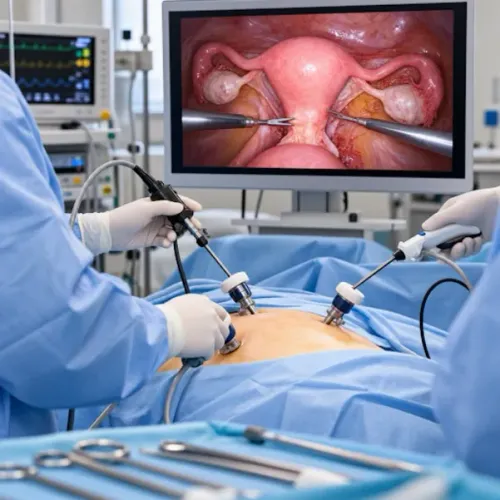
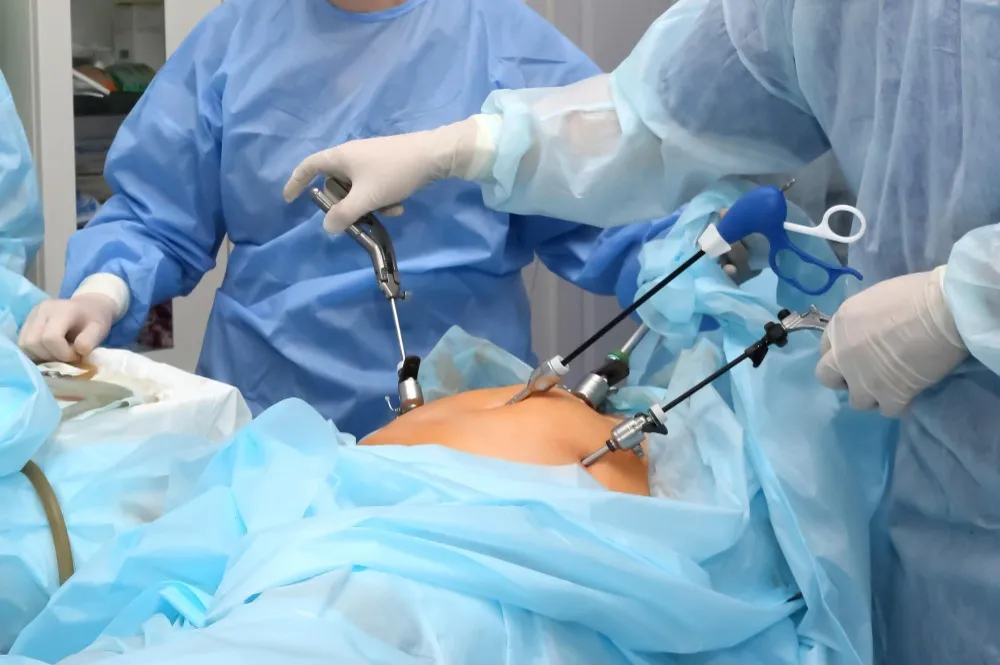
Gynecological conditions do not always require open surgery. In suitable cases, laparoscopic surgeries allow surgeons to examine or operate within the abdomen and pelvis through small incisions using a camera and specialised instruments.
For women in Nashik considering surgery for a gynecological condition, understanding whether laparoscopy is appropriate requires more than simply choosing the technique associated with smaller incisions.
The diagnosis and complexity of the condition come first.
What Is Gynecological Laparoscopy?
Laparoscopy is a minimally invasive surgical approach.
A laparoscope containing a camera provides a magnified view of internal pelvic structures. Additional small incisions may be used to introduce surgical instruments when a therapeutic procedure is required.
Laparoscopy can be diagnostic, therapeutic or both depending on the condition being investigated.
Which Conditions May Be Managed Laparoscopically?
Depending on individual findings and surgical suitability, laparoscopy may be considered in the evaluation or treatment of conditions such as:
- Certain ovarian cysts
- Endometriosis
- Some uterine fibroids
- Selected fertility-related pelvic conditions
- Ectopic pregnancy
- Pelvic adhesions
- Certain hysterectomy procedures
- Other gynecological conditions requiring surgical assessment
The presence of one of these conditions does not automatically mean laparoscopic surgery will be appropriate.
Size, location, disease extent, previous operations and the patient’s general health can influence surgical planning.
Why Is Preoperative Evaluation Important?
Two patients with the same diagnosis may require different surgical approaches.
Before recommending surgery, the gynecologist may review symptoms, examination findings, ultrasound or other imaging, previous treatment, fertility plans and medical history.
For women who wish to preserve fertility, reproductive goals can be particularly relevant when discussing surgery involving the uterus, ovaries or fallopian tubes.
What Are the Potential Advantages?
When clinically appropriate, minimally invasive surgery may offer advantages such as smaller incisions and a different postoperative recovery profile compared with conventional open surgery.
However, recovery varies with the procedure performed, complexity of surgery and individual health.
Patients should avoid judging the seriousness of an operation simply by incision size. A technically complex procedure can still be performed through small laparoscopic access points.
Questions to Ask Before Gynecological Surgery
Before consenting to surgery, ask:
- What exactly is the diagnosis?
- Why is surgery recommended now?
- Are non-surgical options reasonable?
- Why is laparoscopy appropriate for this condition?
- Could open surgery become necessary?
- How might the procedure affect fertility?
- What recovery restrictions should be expected?
- What symptoms after discharge require medical attention?
These questions help patients understand both the procedure and its purpose.
Finding Gynecological Surgical Care in Nashik
Provider selection should focus on appropriate diagnosis, surgical planning and postoperative care rather than on the word “laparoscopic” alone.
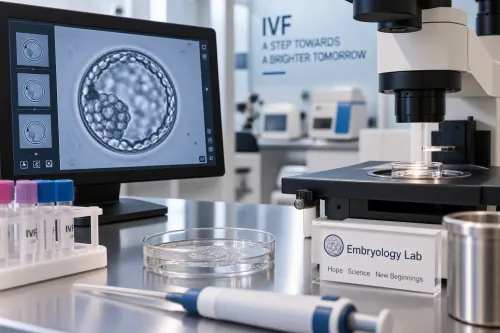
At Bagul Nursing Home and Dr. Bagul’s Hope IVF Center, women in Nashik can undergo gynecological evaluation to determine whether surgical treatment is needed and whether a minimally invasive approach may be suitable.
For patients travelling from Nashik and nearby areas of Maharashtra, practical considerations also matter. Ask about preoperative testing, expected hospital stay, follow-up appointments and the likely recovery period before arranging work or travel.
Laparoscopy can be a valuable surgical approach, but its usefulness depends on choosing the right operation for the right condition. A clear diagnosis and individualized surgical plan should therefore come before the choice of technique.
Keywords