
A first fertility appointment can feel unclear: you may not know who should attend, which records matter, whether testing begins immediately, or whether IVF will be discussed. By the end, you will know how to prepare, what questions the team will ask, how investigations are sequenced, and how findings become a treatment plan.
Key takeaways
- Bring both partners, medical records, medication details and previous fertility reports.
- Set aside at least one hour for your first fertility counselling appointment.
- Expect both partners to be assessed without assigning blame for infertility.
- Tests should follow your medical history, not happen automatically before counselling.
Your first appointment: who attends, what to bring and how much time to allow
Both partners should attend the first fertility counselling appointment in Nashik whenever possible. Expect an assessment and planning conversation, not an automatic decision to start IVF. Set aside at least an hour for a detailed discussion, and avoid booking it between work, travel or other fixed commitments.
Bring a clearly organised record set:
- Scan and laboratory reports, including semen-analysis reports
- Operative notes and records of previous surgeries
- Pregnancy records, including miscarriage or abortion documents
- A list of all medicines and supplements
- Details of medical conditions and previous fertility treatment
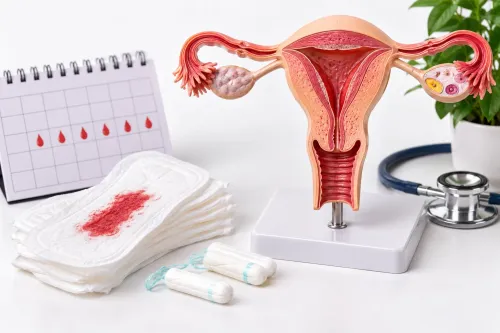
- The first day of your recent menstrual periods, plus cycle length and pattern
The counsellor will ask how long you have tried to conceive and whether intercourse has been regular and unprotected. Expect questions about menstrual-cycle dates, previous pregnancies, miscarriages or abortions, and any earlier fertility treatment. You may also discuss contraception history, sexual difficulties and the timing of intercourse.
Honest answers help the clinician plan the next step; they do not assign blame. The fertility counselling process in Nashik should give both partners time to describe concerns, review existing information and agree on what needs investigation. Ask what happens next, which tests are necessary, and when you will review the plan.
How the conversation covers both partners without assigning blame
Both partners’ histories are taken together because investigating only one partner can delay care. In what happens in fertility counselling, the clinician looks at male, female and shared factors rather than assigning blame or assuming IVF is necessary.
The fertility consultation for couples in Nashik may cover intercourse timing and frequency, contraception history, pain or sexual difficulty, smoking, alcohol, sleep, stress, weight, exercise, occupational heat or chemical exposure, infections, family history, and previous pelvic or testicular surgery.
The clinician may also ask about work schedules, travel, relationship strain and financial limits that affect treatment.
Medical counselling, psychological support and lifestyle advice serve different purposes:
| Area | Purpose | What it does not mean |
|---|---|---|
| Medical counselling | Reviews possible causes and explains investigations or treatment | It does not label either partner as responsible |
| Psychological support | Addresses anxiety, distress, relationship strain or sexual pressure | It does not prove stress caused infertility |
| Lifestyle advice | Discusses sleep, smoking, alcohol, exercise, weight and exposures | It does not replace medical evaluation |
Emotional strain is real, but infertility is not proof that stress caused it. A counsellor may recommend a trained mental-health professional when anxiety or relationship difficulties need focused support.
Both partners can ask questions privately or together. You can request time alone with the clinician to discuss sexual pain, pressure, substance use or safety, then decide what information you want shared.
Which checks happen first, and which tests wait for a reason
After the initial discussion, the usual medical evaluation follows a sequence rather than a one-day test bundle. In fertility counselling, the clinician normally:
- Takes both partners’ reproductive and medical histories.
- Performs an examination when symptoms, prior surgery or examination findings justify it.
- Reviews existing reports before ordering duplicates.
- Recommends targeted investigations.
- Explains possible causes and schedules a follow-up to discuss results.
Early checks often include:
| Test | What it assesses | When it is used |
|---|---|---|
| Semen analysis | Sperm count, movement and shape | Commonly part of the male partner’s initial evaluation |
| Ovulation assessment and hormone tests | Ovulation pattern and relevant hormone function | When cycles are irregular, absent or the history suggests an ovulatory problem |
| Pelvic ultrasound | Uterus, ovaries, follicles and some structural problems | Common early imaging for the female partner |
| Hysterosalpingography or contrast ultrasound | Whether the fallopian tubes are open | When history and treatment planning make tubal testing appropriate |
An abnormal semen analysis is not a permanent label. Results vary between samples, so a significant abnormality is commonly checked with a repeat sample.
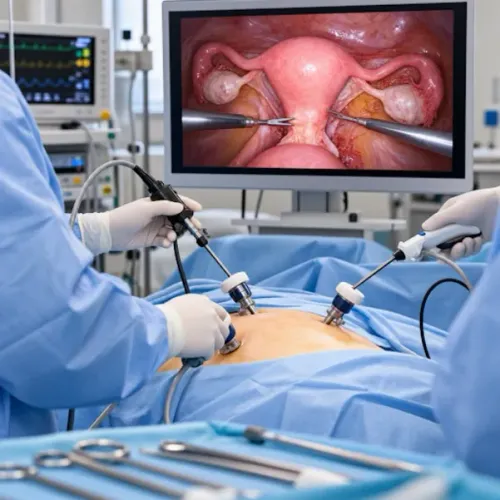
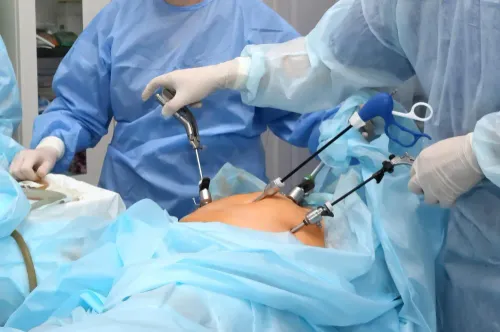
AMH and antral-follicle count help estimate ovarian response to stimulation, especially for IVF planning; they do not independently measure egg quality or natural fertility. Hysteroscopy is considered for suspected uterine-cavity problems, while laparoscopy is reserved for suspected endometriosis, tubal damage or other pelvic disease.
No one needs every test at the first fertility consultation for couples in Nashik.
How findings become a step-by-step fertility treatment plan
1. Fertility treatment planning in Nashik starts with matching the findings to your circumstances: age, duration of infertility, ovulation, ovarian reserve, sperm results, tubal status, previous treatment and your preferences. IVF is not automatically the first treatment.
2. The sequence usually moves from the least intensive suitable option: observation or timed intercourse when conception remains reasonable; treatment for an ovulatory disorder with cycle monitoring; selected surgery for a correctable uterine, tubal or pelvic problem; intrauterine insemination; or IVF, with ICSI when sperm or fertilisation findings justify it.
Skipping straight to IVF can add injections, procedures and cost without addressing a simpler solution.
3. Ask the clinician to explain why this order fits you and what happens if the first step fails. Before assisted reproduction, the discussion should cover expected visits, medication injections, monitoring, egg retrieval, sedation or anaesthesia, embryo transfer, cancellation, failed fertilisation, no transferable embryo, multiple pregnancy, ovarian hyperstimulation, and embryo freezing and storage.
4. Compare outcomes carefully. A per-cycle pregnancy rate is not the same as a cumulative outcome across several cycles or a live-birth rate; age, patient selection and embryo-transfer policy affect comparisons. Ask whether the quoted cost includes medicines, tests, storage and additional procedures.
A Nashik clinic such as Bagul Nursing Home & Dr. Bagul’s Hope IVF Center should be able to explain the reason, sequence and alternatives behind its recommendation, not merely name a procedure.
Related services
Fertility Counseling Supportive Therapies & Counseling Fertility Counseling Nutritional & Lifestyle Counseling Preconception & Psychological Counseling View service → |
Basic Fertility Services Fertility Consultation & Evaluation Ovulation Induction Follicular Monitoring Hormonal Profiling Semen Analysis Diagnostic Hysteroscopy & Laparoscopy View service → |
When counselling should come before treatment—and when medical review cannot wait
Arrange counselling before treatment when the decision carries emotional, ethical or relationship pressure: after recurrent miscarriage, severe anxiety, relationship strain, uncertainty about IVF, or when discussing donor eggs, sperm or embryos. The fertility counselling process in Nashik can help partners agree on boundaries, consent, treatment limits, disclosure and coping plans without delaying necessary medical care.
1. Seek fertility evaluation after 12 months of regular unprotected intercourse if the woman is under 35, or after six months if she is 35 or older. Arrange it sooner for irregular or absent periods, suspected endometriosis or tubal disease, recurrent miscarriage, or known male-factor problems.
2. Give medical review priority over counselling alone for severe pelvic pain, heavy bleeding, suspected ectopic pregnancy, testicular pain or swelling, or a pregnancy complication. These symptoms need prompt clinical assessment.
3. Use counselling to test whether the proposed fertility treatment planning in Nashik fits your medical findings and your limits. Discuss how you would handle injections, procedures, unsuccessful treatment, donor conception, embryo decisions, work disruption and financial pressure.
4. Before leaving, ask what happens if the first plan fails, how many visits the plan usually requires, whom to contact after hours, and when you will review results. Ask who will explain changes if symptoms develop between appointments.
Frequently asked questions
Who should attend a fertility counselling appointment in Nashik?
Both partners should attend whenever possible. Bring previous fertility reports, medical records, medication details and questions about your history.
How long does the first fertility counselling appointment take?
Set aside at least one hour for assessment, questions and treatment planning. Avoid scheduling the visit between fixed work or travel commitments.
What happens in fertility counselling for couples?
The counsellor discusses both partners’ reproductive histories, health conditions, medications, lifestyle factors and concerns without assigning blame.
Are all fertility tests done during the first appointment?
No. Initial checks follow your medical history and examination. Additional tests wait until the clinician has a specific reason to order them.
When should counselling come before fertility treatment?
Counselling should come first when you need to understand possible causes, compare treatment options or decide whether IVF is appropriate. Seek prompt medical review for severe pain, heavy bleeding, suspected ectopic pregnancy or another urgent symptom.
Keywords