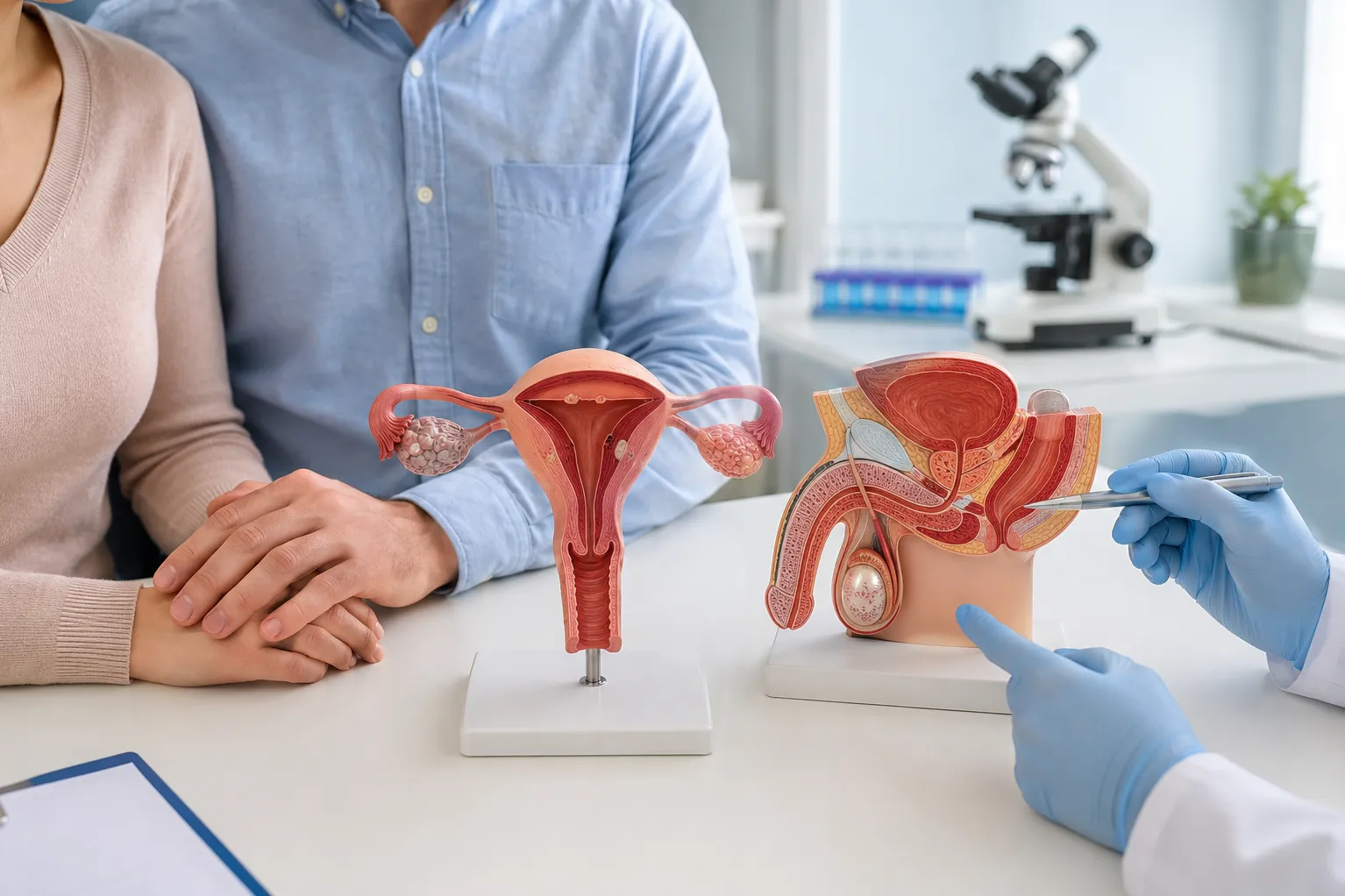
Infertility is often discussed as a women’s health issue, but difficulty conceiving can involve the female partner, the male partner, both partners, or sometimes factors that are not immediately identifiable. Understanding male and female infertility as a couple’s health concern can make the evaluation process more balanced and help avoid unnecessary delays.
For couples in Nashik and surrounding areas of Maharashtra, fertility evaluation can be considered when pregnancy is not occurring despite regular unprotected intercourse. The appropriate timing depends on age, medical history, menstrual patterns and other individual factors.
What Can Contribute to Female Infertility?
Pregnancy depends on several reproductive processes working together. An egg needs to develop and ovulate, the fallopian tubes need to allow sperm and egg to meet, fertilisation needs to occur, and the resulting embryo needs an appropriate uterine environment for implantation.
Female fertility may be affected by factors such as:
- Irregular or absent ovulation
- Polycystic ovary syndrome
- Reduced ovarian reserve
- Increasing reproductive age
- Blocked or damaged fallopian tubes
- Endometriosis
- Uterine fibroids or polyps
- Certain hormonal conditions
- Previous pelvic infections or surgeries
Irregular periods can sometimes provide an early clue that ovulation needs assessment, although regular cycles do not automatically rule out fertility-related concerns.
What Can Affect Male Fertility?
Male fertility evaluation is equally important. Sperm production, concentration, movement and structure can influence the probability of natural fertilisation.
Possible contributing factors include hormonal disorders, varicocele, reproductive tract obstruction, previous infections, certain genetic conditions and some medical treatments. Lifestyle and environmental factors may also be relevant in individual cases.
A semen analysis is commonly among the initial investigations because it provides useful information about several sperm parameters.
Why Should Both Partners Be Evaluated?
Beginning with only one partner can lengthen the diagnostic process.
A fertility specialist may recommend evaluating both partners so that treatment decisions are based on the couple’s combined reproductive circumstances. This can also prevent someone from undergoing unnecessary procedures before another important factor has been identified.
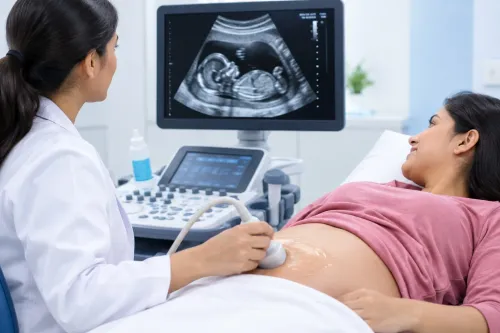
Depending on the clinical situation, evaluation may involve menstrual and ovulation history, ultrasound, hormonal investigations, ovarian reserve assessment, tubal evaluation and semen analysis.
Not every couple requires every test. Investigations are generally selected according to age, symptoms, reproductive history and initial findings.
When Is It Appropriate to Seek Fertility Advice?
Couples commonly consider an infertility assessment after approximately 12 months of regular unprotected intercourse without conception when the female partner is under 35.
An earlier assessment is generally appropriate when the female partner is 35 or older. Evaluation may also be considered sooner when there are known reproductive concerns, including very irregular periods, previous pelvic disease, endometriosis, recurrent pregnancy loss or suspected male-factor problems.
These timelines are useful guides rather than substitutes for individual assessment.
What Happens After the Cause Is Investigated?
Finding a fertility-related factor does not automatically mean IVF will be required.
Depending on the findings, management may range from addressing an underlying medical condition and monitoring ovulation to fertility medicines, IUI, IVF, ICSI or specific male-factor procedures.
At Bagul Nursing Home and Dr. Bagul’s Hope IVF Center, couples in Nashik can undergo fertility assessment with the aim of understanding both partners before deciding which treatment pathway may be clinically appropriate.
The important first step is not choosing a fertility procedure. It is establishing what may be interfering with conception and whether treatment is actually necessary.
A couple-centred evaluation provides a clearer foundation for that decision and helps ensure that subsequent fertility care is based on individual findings rather than assumptions.
Keywords