
Finding the right public facility is only the first step: registration hours, available methods, referral rules and procedure dates differ across Nashik. By the end, you will know what to carry, what happens during counselling, how to compare reversible and permanent contraception, and which questions to ask before you leave.
Key takeaways
- Confirm the facility provides your chosen family-planning service before travelling.
- Ask about reversible contraception, permanent methods, benefits, risks and alternatives.
- Understand consent requirements before choosing tubectomy or vasectomy.
- Carry identification and ask about costs, privacy and service availability.
Before you go: choosing the facility and confirming the appointment
The family planning appointment process in nashik starts by identifying the facility that provides your needed service. A government family planning centre in nashik may be a Health and Wellness Centre, urban or rural primary health centre, rural hospital, sub-district hospital, district hospital or municipal clinic.
Call before travelling and ask for outpatient registration hours, walk-in rules, method availability, referral requirements and the reporting time.
- Carry identity proof, address proof, previous pregnancy or delivery records, prescription papers, a current medication list and any pregnancy-test report. Ask whether the centre requires marriage or consent documentation; requirements differ by service and facility.
- At registration, give your name, contact details, reproductive history and reason for visiting. You do not need to choose a method beforehand.
- Confirm whether counselling, IUCD insertion or sterilisation happens the same day. Sterilisation may require pre-operative assessment, a designated date, an adult attendant and transport home.
| Facility | Usually available | Confirm before visiting |
|---|---|---|
| Health and Wellness Centre or primary health centre | Counselling, condoms, pills and referrals | Registration hours and referral needs |
| Rural or sub-district hospital | Counselling, IUCD services and selected procedures | Trained staff and service day |
| District or municipal facility | Wider method and specialist access | Appointment route and reporting desk |
What happens during your first family-planning consultation
Your first family planning consultation in Nashik usually begins with registration, followed by private questions, basic checks and a voluntary method decision. At a smaller government facility, counselling or condoms and pills may be available immediately, while an IUCD insertion or sterilisation may be scheduled or referred.
The visit usually follows this order:
1. Registration: staff record identification and contact details, reproductive history and the reason for attending. Tell them about a recent delivery or abortion, breastfeeding, menstrual dates, pregnancy possibility, medical conditions, medicines and allergies.
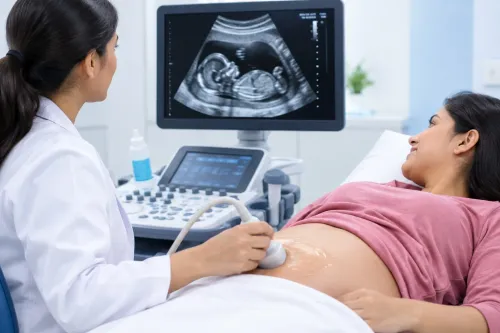
2. Assessment: the provider checks blood pressure and performs a pregnancy assessment. They may request a pregnancy test or another examination before prescribing or inserting a method, especially if pregnancy cannot be excluded.
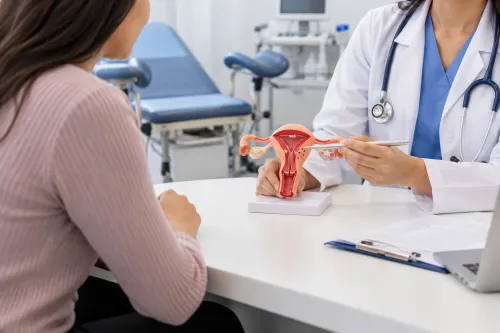
3. Counselling: discuss plans for future children, timing, bleeding or other side effects, STI protection and whether you want a reversible or permanent option. Your partner may attend, but your informed and voluntary consent is required.
4. Next step: you may receive a method that day, return for insertion, or receive a referral if trained staff, equipment or a service day is unavailable.
Ask how long results and referral arrangements will take before leaving. A contraception appointment in Nashik does not require you to arrive with a method chosen.
Comparing methods before you choose
A contraception appointment in Nashik should compare spacing methods with permanent options, not treat sterilisation as the default. Effectiveness figures below describe typical use; missed pills, late injections, incorrect condom use and delayed emergency contraception reduce protection.
| Method | Duration and effectiveness | Side effects and reversibility | STI protection |
|---|---|---|---|
| Condoms | One act; about 87% effective with typical use | Breakage, slipping or latex irritation; immediately reversible | Yes, including HIV risk reduction |
| Pills | Taken daily; about 93% effective with typical use | Nausea, spotting or breast tenderness; reversible after stopping | No |
| Emergency contraception | One dose after unprotected sex; works best as soon as possible and is not regular contraception | Nausea or changed bleeding; fertility returns quickly | No |
| Injectables | Usually one injection every three months; about 96% effective with typical use | Irregular bleeding, weight change or delayed return of fertility; reversible | No |
| Copper IUCD | Works for years, depending on the device; over 99% effective | Cramps or heavier periods; removable and rapidly reversible | No |
| Implant | Works for several years, depending on the implant; over 99% effective | Irregular bleeding, headaches or acne; removable and reversible | No |
| Sterilisation | Permanent; over 99% effective, but failure is rare | Surgical pain and complications; reversal is difficult or unavailable | No |
Ask about breastfeeding, medicines, warning symptoms, removal access and condom use for STI protection. Stock and trained providers vary by facility and date.
Sterilisation counselling, consent and the choice between tubectomy and vasectomy
Permanent contraception suits you only when you are confident you do not want a future pregnancy, including after a change in relationship, finances or health. If you are uncertain, ask about a reversible long-acting method instead. Sterilisation counselling in Nashik should compare both choices without treating either as compulsory.
The discussion should happen privately, before admission or anaesthesia. Ask the clinician to explain:
- That consent is voluntary, informed and your own; a partner’s agreement cannot replace it.
- Permanence, alternatives, anaesthesia, expected recovery, failure risk and possible complications.
- Whether reversal is unavailable or difficult, and which warning symptoms need urgent review.
- When you can withdraw consent; signing a form does not remove that right before the procedure.
Vasectomy cuts or seals the sperm-carrying vas deferens, usually through a small procedure under local anaesthesia. It does not reduce erections, ejaculation or sexual desire, but it is not immediately effective: use contraception until semen testing confirms clearance, according to the facility’s instructions.
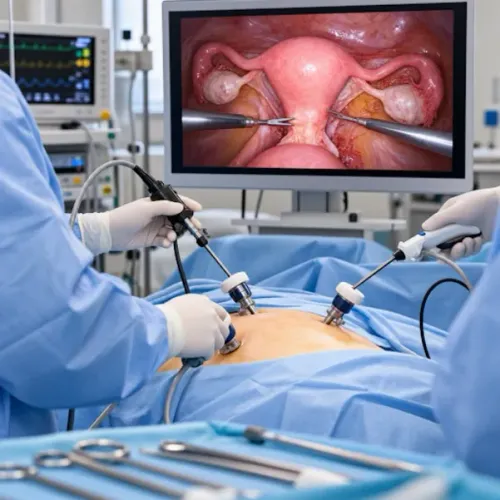
Tubectomy blocks or cuts the fallopian tubes through minilaparotomy or laparoscopy. It may involve regional or general anaesthesia and carries surgical risks such as bleeding, infection and injury to nearby organs. Discuss pregnancy history, previous abdominal surgery and medical conditions before choosing.
At a family planning consultation in Nashik, ask whether the service is available that day or needs referral, and leave only after you understand the method and agree freely.
Preparing for the procedure and planning recovery
Ask for sterilisation counselling in Nashik as a separate informed-consent discussion, not a signature at admission. Confirm the service day, reporting time, fasting instructions, required tests and whether the centre needs a referral. Consent must be voluntary; you can withdraw it before the procedure.
1. Carry previous records and your medication list. Tell the clinician about allergies, diabetes, high blood pressure, bleeding problems, current medicines, prior operations or anaesthesia reactions, recent delivery or abortion, breastfeeding, and possible pregnancy.
Expect blood-pressure and general assessment; the facility may request a pregnancy test, haemoglobin or other blood and urine tests according to the procedure and anaesthesia.
2. Arrange an adult attendant and transport home, especially if sedation or general anaesthesia is planned. Ask whether the attendant must remain during discharge and whether you need to avoid food or drink for a specified period.
3. Plan rest after discharge. Keep the wound clean and dry, take only the prescribed pain medicine, avoid heavy lifting and strenuous work until cleared, and follow the centre’s bathing and dressing instructions. Vasectomy does not work immediately; use contraception until the clinician confirms clearance, usually after the requested semen test.
4. Contact the facility urgently for fever, worsening pain, heavy bleeding, fainting, breathing trouble, pus, spreading redness, inability to urinate, or rapidly increasing abdominal or scrotal swelling. Keep the scheduled wound or post-operative review and ask whom to call after hours.
Costs, privacy, approval checks and what to do when services are unavailable
Call before travelling: the government family planning centre in Nashik may offer counselling but schedule IUCD insertion or sterilisation only on specific days. Confirm outpatient registration hours, walk-in or phone booking, reporting time, documents, method availability and whether a referral is required.
Ask for a private conversation, and give your own consent; a partner’s presence must not replace it. Carry identification, address proof, medical records, medication list and pregnancy-test reports, but ask which documents the facility actually requires.
| Option | Full cost and effort | Check before choosing |
|---|---|---|
| Public first visit | Registration, travel, waiting and possible repeat visits | Ask about charges, tests and medicines |
| Public referral hospital | Extra travel and another registration | Obtain the referral note, destination and appointment date |
| Private consultation | Consultation, procedure, tests and medicines billed separately | Request a written estimate and follow-up plan |
Ask: “Is this service available today, who will provide it, what happens if screening changes the plan, and when do I return?” Bagul Nursing Home & Dr. Bagul’s Hope IVF Center can be a comparison point when a public facility refers you, but verify its current service, approval and total estimate directly.
Related service
Frequently asked questions
Which government facilities in Nashik provide family-planning services?
Services may be available at Health and Wellness Centres, urban or rural primary health centres, rural hospitals, sub-district hospitals, district hospitals and municipal clinics. Confirm the specific service before you visit.
What happens during a family-planning consultation in Nashik?
The provider discusses your health history, pregnancy plans, current contraception, available methods, benefits, risks, side effects and follow-up. Ask questions before choosing a method.
How do tubectomy and vasectomy differ?
Tubectomy is permanent contraception for the woman, while vasectomy is permanent contraception for the man. Compare the procedure, recovery, risks and consent requirements with the provider.
What should I check before a sterilisation procedure?
Confirm the pre-procedure assessment, consent documents, required identification, expected recovery, follow-up plan, warning signs and what happens if the service is unavailable.
Related service
Gov. Approved Centre For Family Planning Gov. Approved Centre For Family Planning Family Planning surgery (Tubectomy) by laparoscopy or open method is done. View service → |
Keywords