Becoming parents is a dream shared by many couples, yet conception does not always happen as expected. While fertility challenges are often associated with women, male infertility contributes to nearly half of all infertility cases. Understanding the causes, symptoms, and treatment options can help couples seek timely medical guidance instead of delaying care based on misconceptions.
For couples in Nashik and across Maharashtra, increasing awareness about male reproductive health has encouraged more men to participate actively in fertility evaluations. Early diagnosis often improves the chances of successful treatment while reducing emotional stress for both partners.
What Is Male Infertility?
Male infertility refers to a condition where a man's reproductive health affects the couple's ability to achieve pregnancy naturally. In many cases, the issue relates to sperm production, sperm quality, or the ability of sperm to reach and fertilize the egg.
A fertility assessment typically involves evaluating semen quality, hormone levels, lifestyle factors, and overall reproductive health to identify the underlying cause.
Common Causes of Male Infertility
Several medical and lifestyle factors can influence male fertility. Some are temporary and reversible, while others require specialized treatment.
Common causes include:
- Low sperm count
- Poor sperm motility, where sperm struggle to swim effectively
- Abnormal sperm shape
- Hormonal imbalances affecting sperm production
- Varicocele, which involves enlarged veins around the testicles
- Previous infections affecting reproductive organs
- Genetic conditions
- Blockages in the reproductive tract
Many men experience no noticeable symptoms, making fertility evaluation an important step when pregnancy does not occur after regular unprotected intercourse.
Lifestyle Habits That Can Affect Fertility
Everyday habits play a significant role in reproductive health. Small lifestyle changes may improve fertility in suitable cases.
Factors that may reduce fertility include:
- Smoking and tobacco use
- Excessive alcohol consumption
- Obesity
- Chronic stress
- Lack of physical activity
- Poor sleep quality
- Frequent exposure to excessive heat
- Uncontrolled diabetes or other chronic illnesses
Maintaining a balanced lifestyle supports overall health and may also contribute to improved reproductive function.
When Should Couples Consider a Fertility Evaluation?
Many couples wait too long before seeking medical advice. In general, fertility evaluation is recommended when:
- Pregnancy has not occurred after one year of regular unprotected intercourse.
- The female partner is above 35 years of age and pregnancy has not occurred within six months.
- There is a history of reproductive surgery or injury.
- Previous medical conditions may affect fertility.
- There are known issues such as undescended testes or hormonal disorders.
Early assessment allows specialists to identify treatable conditions before they become more complicated.
How Male Infertility Is Diagnosed
A comprehensive evaluation includes more than a single laboratory test. Specialists usually recommend:
- Detailed medical history
- Physical examination
- Semen analysis
- Hormone testing
- Ultrasound when necessary
- Additional genetic or advanced investigations in selected cases
These investigations help determine the most appropriate treatment plan rather than relying on assumptions.
Available Treatment Options
Treatment depends entirely on the diagnosed cause.
Options may include:
- Lifestyle modification
- Medication for hormonal or infectious conditions
- Surgical correction for conditions such as varicocele
- Assisted reproductive techniques when natural conception is difficult
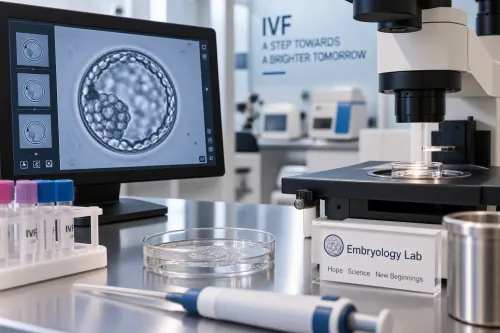
- IVF or ICSI for selected fertility challenges
Advances in reproductive medicine have enabled many couples to achieve pregnancy even after years of unsuccessful attempts.
Supporting Fertility as a Couple
Fertility should always be viewed as a shared journey rather than an individual responsibility. Open communication, emotional support, and timely medical consultation can make the experience less stressful.
Couples should also avoid comparing their journey with others, as every fertility case is unique and requires individualized care.
Choosing Experienced Fertility Care in Nashik
Access to experienced fertility specialists allows couples to receive accurate diagnosis and evidence-based treatment without unnecessary delays. Bagul Nursing Home and Dr. Bagul's Hope IVF Center provides comprehensive fertility evaluations for both men and women, helping couples understand the underlying causes of infertility before recommending personalized treatment options.
Seeking guidance at the right time often creates more opportunities for successful outcomes while giving couples confidence throughout their parenthood journey.
Keywords