When semen analysis shows that sperm are absent from the ejaculate, it does not automatically establish that sperm production is completely absent. In selected cases, sperm may be present within the testicular tissue and a retrieval procedure may be considered as part of fertility treatment.
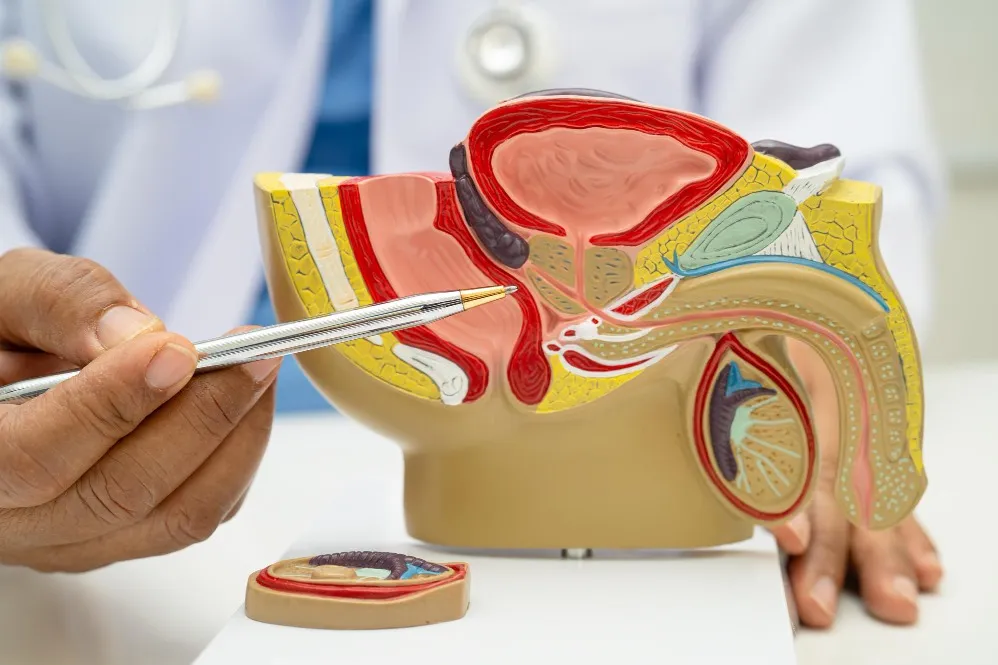
The TESA procedure, or testicular sperm aspiration, is one technique used to obtain sperm directly from the testis in appropriate male-factor infertility cases.
For couples evaluating fertility treatment in Nashik, understanding why TESA is being suggested is particularly important because sperm retrieval procedures are not required for every abnormal semen analysis.
Why Might Sperm Need to Be Retrieved Directly?
Azoospermia refers to the absence of sperm in the ejaculate. It can occur for different reasons.
Broadly, the problem may involve an obstruction preventing sperm from reaching the ejaculate or an impairment in sperm production. These situations require different evaluation and may have different treatment implications.
Before recommending sperm retrieval, the fertility team may review medical and reproductive history, semen analyses, physical findings, hormone results and other investigations when indicated.
What Happens During TESA?
TESA involves using a needle to obtain tissue or fluid from the testis under appropriate anaesthesia or pain-control measures.
The retrieved material is examined for sperm.
If usable sperm are identified, they may be used with assisted reproductive techniques. Because the number and characteristics of surgically retrieved sperm can differ from those in an ejaculated sample, ICSI is commonly considered for fertilisation in these situations.
What Should Couples Clarify Before the Procedure?
A useful discussion should cover several points:
- Why sperm are absent or severely limited in the semen
- Whether further male fertility evaluation is needed
- Why TESA is being selected
- How the retrieved sample will be examined
- Whether sperm may be frozen when appropriate
- How egg retrieval will be coordinated if IVF or ICSI is planned
- What happens if suitable sperm are not obtained
Understanding these possibilities beforehand helps couples prepare for more than one potential outcome.
TESA Is One Part of a Larger Fertility Plan
Sperm retrieval should not be considered separately from the female partner’s fertility assessment.
If retrieved sperm will be used for ICSI, the couple also needs an IVF plan involving ovarian stimulation, egg retrieval, fertilisation, embryo development and potentially embryo transfer.
Coordinating both sides of treatment is therefore important.
Is TESA Suitable for Every Male Infertility Problem?
No.
Many male fertility concerns can be evaluated and managed without surgical sperm retrieval. The choice of procedure depends on the underlying problem and whether sperm are available through ejaculation.
Other sperm retrieval methods may also be considered depending on where sperm need to be obtained and the suspected cause of infertility.
Couples seeking male infertility evaluation in Nashik can discuss sperm retrieval options at Bagul Nursing Home and Dr. Bagul’s Hope IVF Center after appropriate assessment of both partners.
A recommendation for TESA should ultimately answer a straightforward question: why is direct sperm retrieval needed in this particular case?
When couples understand the diagnosis, the purpose of retrieval and how the sperm will be used afterward, they are better prepared to evaluate the complete fertility treatment plan rather than viewing TESA as an isolated procedure.
Keywords