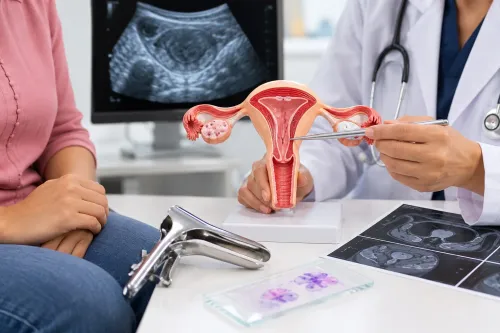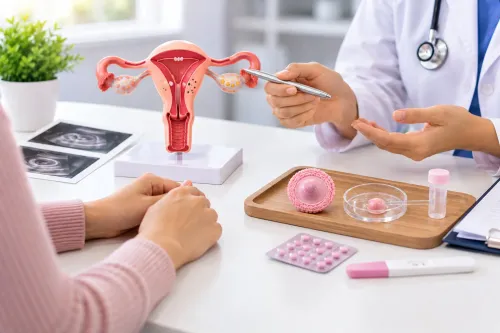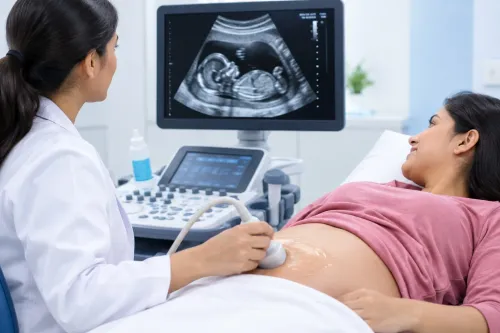
For couples undergoing IVF, every stage of the treatment process is carefully planned to improve the chances of a successful pregnancy. One advanced laboratory technique that may be recommended in selected cases is laser hatching. While it is not required for every IVF cycle, this procedure can benefit certain patients based on their medical history and embryo characteristics.
Couples seeking fertility treatment in Nashik often come across terms such as embryo grading, blastocyst culture, ICSI, and laser hatching during their consultations. Understanding why these techniques are used helps patients participate confidently in treatment decisions and set realistic expectations.
What Is Laser Hatching?
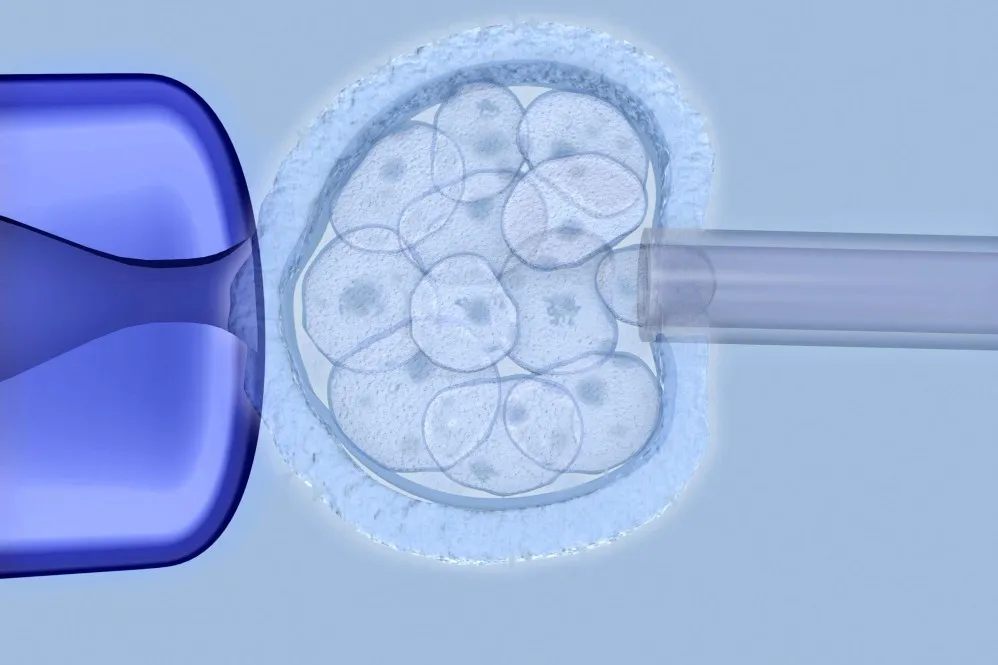
Laser hatching, also known as assisted hatching, is an advanced embryology procedure performed during an IVF cycle. Before an embryo implants into the uterus, it must naturally break through its outer protective layer, called the zona pellucida.
In some situations, this outer layer may be unusually thick or firm, making it more difficult for the embryo to hatch naturally. Laser hatching creates a tiny opening in this outer shell using highly precise laser technology, which may support the embryo's ability to implant successfully.
The procedure is performed entirely in the IVF laboratory before embryo transfer and does not involve any discomfort for the patient.
Who May Benefit From Laser Hatching?
Laser hatching is not recommended for every couple. Fertility specialists advise it only when specific clinical factors suggest that it may improve implantation potential.
The procedure may be considered for:
- Women above the age of 35
- Couples with repeated IVF implantation failure
- Embryos with a thick zona pellucida
- Frozen embryo transfer cycles in selected cases
- Patients with reduced ovarian reserve
- Certain unexplained infertility cases after detailed evaluation
The final recommendation depends on the embryo's quality, the woman's medical history, and previous fertility treatment outcomes.
How Is the Procedure Performed?
Laser hatching is carried out inside a specialized embryology laboratory under a high-powered microscope.
The process generally includes:
- The embryo is carefully examined by the embryologist.
- A highly controlled medical laser creates a microscopic opening in the outer shell.
- The embryo continues to develop under closely monitored laboratory conditions.
- The embryo is transferred into the uterus according to the planned IVF schedule.
Because of the precision offered by modern laser systems, the surrounding embryo remains protected during the procedure.
Potential Advantages of Laser Hatching
When recommended for appropriate patients, laser hatching may provide several potential benefits.
These include:
- Improved embryo implantation in selected cases
- Better support for embryos with a thicker outer shell
- Assistance after repeated unsuccessful IVF attempts
- Enhanced implantation potential for certain frozen embryos
- Greater precision compared to older assisted hatching techniques
It is important to understand that laser hatching increases the possibility of implantation in suitable candidates but does not guarantee pregnancy.
Is Laser Hatching Safe?
When performed by trained embryologists using advanced laboratory equipment, laser hatching is considered a safe and well-established IVF procedure.
Modern fertility laboratories follow strict quality control measures to ensure:
- Controlled laser precision
- Continuous embryo monitoring
- Sterile laboratory conditions
- Standardized embryology protocols
Patients should always choose an IVF centre with experienced embryologists and advanced laboratory facilities.
Questions to Ask Before Choosing Laser Hatching
During your consultation, discussing the procedure with your fertility specialist can help you make an informed decision.
You may consider asking:
- Why is laser hatching being recommended in my case?
- Will it improve my chances of implantation?
- Are there alternative approaches?
- Does my embryo quality support this procedure?
- How does it fit into my overall IVF treatment plan?
Clear communication allows couples to understand both the potential benefits and the realistic expectations associated with advanced fertility techniques.
Advanced IVF Care in Nashik
Choosing a fertility centre with experienced reproductive specialists and a modern embryology laboratory is essential when advanced IVF procedures are being considered. Bagul Nursing Home and Dr. Bagul's Hope IVF Center offers individualized fertility treatment, including advanced laboratory techniques such as laser hatching whenever clinically appropriate.
Every treatment recommendation is based on detailed fertility assessment, embryo evaluation, and evidence-based protocols, helping couples receive personalized care while maximizing the opportunity for a successful pregnancy.
Keywords