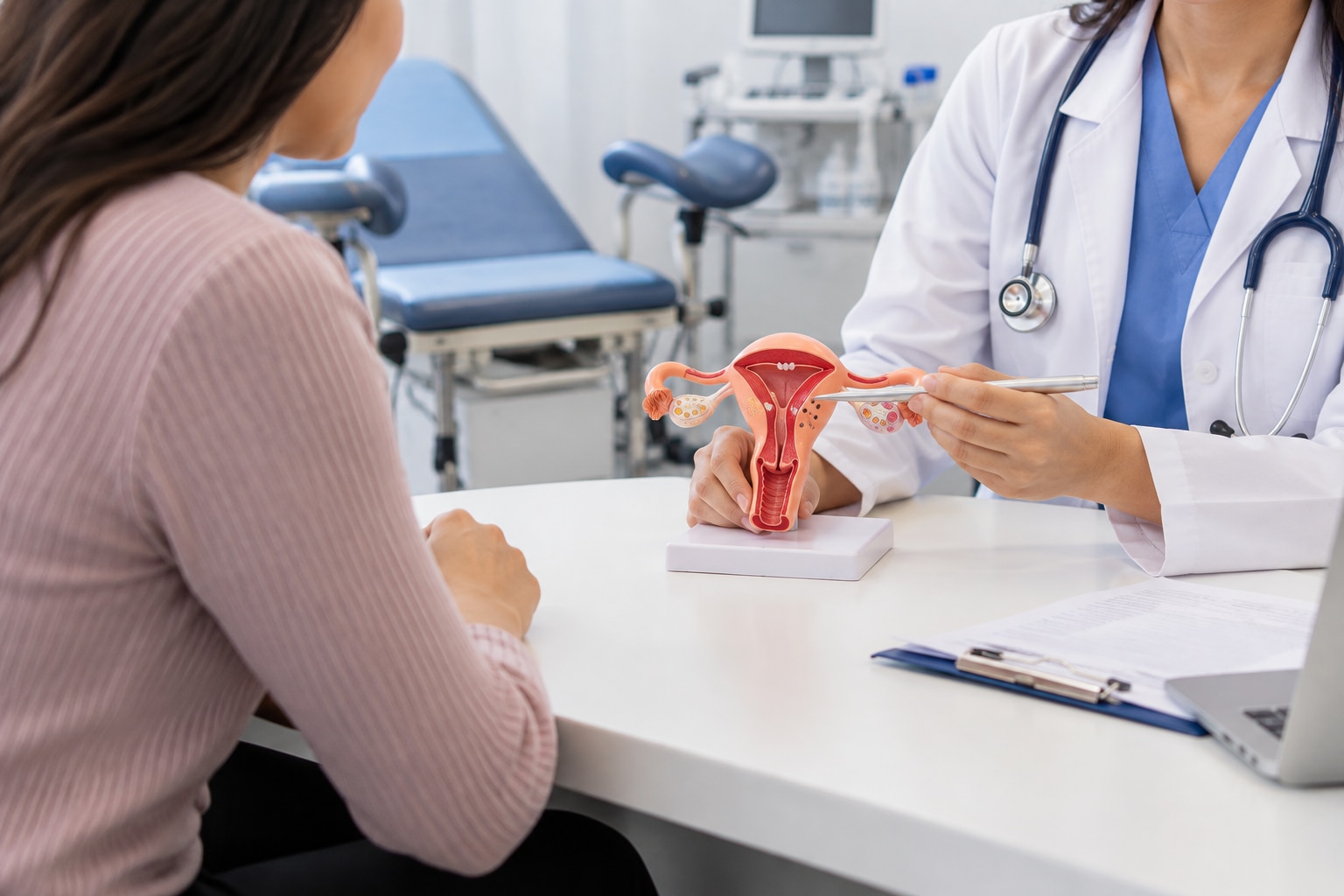
The same symptom can come from a fibroid, infection, hormonal disorder, pregnancy complication or menopause, so choosing treatment before confirming the cause creates avoidable risk. Use your symptoms, test results, pregnancy plans and recovery needs to identify when medication, monitoring, an outpatient procedure, hysteroscopy, laparoscopy or surgery fits best.
Key takeaways
- Use emergency care for severe pain, heavy blood loss or pregnancy complications.
- Persistent symptoms need a gynecological examination and targeted tests.
- Treatment depends on the diagnosis, symptom severity and fertility plans.
- Ask about recovery time before choosing medication, devices or procedures.
Match the symptom to the right level of gynecological care
The right gynecology treatment in Nashik starts with urgency, not with a treatment name. Book a routine consultation for manageable symptoms or preventive care; seek prompt evaluation when symptoms persist, worsen or disrupt daily life; use emergency services for signs of pregnancy complications, severe infection or major blood loss.
| Level | Symptoms or situation | What to do |
|---|---|---|
| Routine consultation | Irregular periods, mild period pain, discharge or itching without fever, urinary leakage, contraception questions, cervical screening, preconception advice, menopause symptoms or follow-up for PCOS | Schedule a gynecological appointment. Ask about anemia testing, vaccination where indicated and long-term prevention. |
| Prompt evaluation | New or persistent pelvic pain, very painful periods, bleeding between periods or after sex, heavy periods causing fatigue, a new breast or pelvic lump, infertility concerns, or discharge with odour | Arrange assessment soon. Do not assume every discharge is an infection or start hormones without identifying the cause. |
| Emergency care | Severe abdominal or pelvic pain, fainting, dizziness, shoulder-tip pain, heavy bleeding, fever with pelvic pain, or pain and bleeding during a possible pregnancy | Go to an emergency department immediately; these symptoms can occur with ectopic pregnancy or serious infection. |
A gynecologist for women health in Nashik should explain the examination, tests, expected benefit, risks, alternatives, cost implications and referral plan. Bring your last menstrual period, pregnancy possibility, medicines and bleeding pattern. Sudden worsening overrides a routine appointment.
How a gynecologist confirms the condition before treatment
The diagnosis comes before the prescription. Your gynecologist reviews menstrual dates, bleeding volume and duration, pain location, discharge, sexual and pregnancy history, medicines, previous operations, contraception, fertility plans and menopause status before deciding whether treatment is needed.
Tests are chosen to answer a specific question, not ordered automatically. A pregnancy test prevents unsafe medication or procedures; a complete blood count detects anaemia from heavy bleeding; thyroid-stimulating hormone testing identifies thyroid-related cycle changes; and pelvic or transvaginal ultrasound assesses fibroids, polyps, ovarian cysts, adenomyosis and the endometrium.
A pelvic examination checks the cervix, vagina, infection signs and prolapse. Swabs, cervical screening, hysteroscopy, laparoscopy or endometrial sampling apply when symptoms and initial findings justify them.
| Finding or test | What it clarifies | Treatment decision it influences |
|---|---|---|
| Pregnancy test | Pregnancy or ectopic-pregnancy risk | Medication, imaging and urgency |
| Complete blood count | Anaemia from bleeding | Iron treatment, bleeding control or faster intervention |
| Transvaginal ultrasound | Fibroid, cyst, polyp or uterine changes | Observation, medication or a procedure |
| Swab or cervical screening | Infection or cervical abnormality | Antibiotics, follow-up or referral |
| Hysteroscopy or biopsy | Uterine-cavity or endometrial disease | Polyp removal, further testing or specialist care |
Age, cyst or fibroid size and location, symptom severity, anaemia, prior surgery, response to medication and your wish for pregnancy change the safest option. Ask what the test costs, what treatment risks fertility, when results arrive and when referral is needed.
Good women disease treatment in Nashik includes contraception, STI prevention, cervical screening, vaccination where indicated and menopause follow-up—not symptom relief alone.
Choosing treatment for fibroids, cysts, PCOS, endometriosis and bleeding
An ultrasound finding is not, by itself, a reason for surgery. The correct category depends on symptoms, size and location, anaemia, age, menopause status and pregnancy plans.
| Condition | Common first category | When that choice is wrong |
|---|---|---|
| Fibroids | Observation if small and symptom-free; medicines for bleeding or pain; myomectomy or another uterine-sparing procedure for significant symptoms | Do not observe worsening bleeding, pressure, anaemia or rapid growth. Do not choose hysterectomy solely because a fibroid appears on ultrasound. |
| Ovarian cysts | Repeat ultrasound for a simple, likely functional cyst; pain relief or surgery for persistent or complex cysts | Observation is unsafe with severe pain, fainting, fever, torsion concerns or a complex postmenopausal cyst. |
| PCOS | Exercise and weight management, cycle regulation, contraception or metformin; ovulation treatment when pregnancy is wanted | Do not treat irregular periods with hormones before excluding pregnancy and other causes. Surgery is not routine PCOS care. |
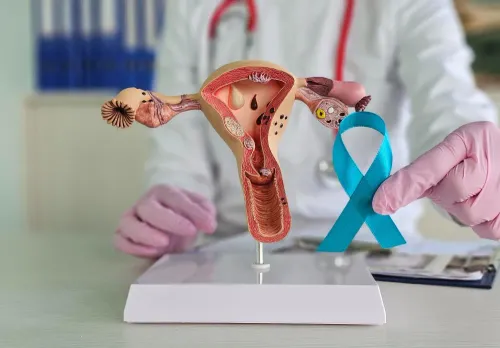
| Endometriosis | Anti-inflammatory pain relief, hormonal suppression and fertility planning; laparoscopy for selected cases | Repeated surgery can reduce ovarian reserve and is not automatically better than medication. |
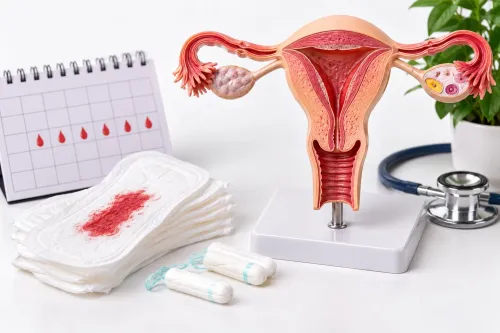
| Heavy bleeding | Identify pregnancy, anaemia, thyroid disease, polyps, adenomyosis or fibroids before choosing medication, a hormonal device or a procedure | Do not suppress unexplained bleeding indefinitely, especially after menopause or with anaemia. |
For gynecology treatment in nashik, ask what diagnosis supports the proposed option, what fertility it preserves, its recovery and total cost, and when reassessment is due. Women disease treatment in nashik should also include cervical screening, contraception, infection prevention and menopause care—not symptom relief alone.
Medication, devices and procedures: what recovery actually involves
The biggest dividing line is fertility: Mirena, biopsy, hysteroscopy, laparoscopy and myomectomy can preserve pregnancy options, while ablation and hysterectomy do not.
| Option | Anaesthesia and admission | Recovery, risks and fertility |
|---|---|---|
| Mirena | Outpatient insertion; usually no anaesthesia or local anaesthetic | Cramps and spotting for days; expulsion or perforation are uncommon. Fertility returns after removal. |
| Endometrial biopsy | Outpatient; usually no anaesthesia or local anaesthetic | Cramping and light bleeding for one to two days; infection or perforation are rare. It does not reduce future fertility. |
| Thermal balloon ablation | Day procedure under local, regional or general anaesthesia | Cramping and watery discharge can last several weeks; infection, burns or perforation are possible. It is not compatible with future pregnancy; use contraception. |
| Hysteroscopy | Local anaesthetic or day-case general anaesthesia | Mild cramps and bleeding usually settle within days. Perforation, infection and fluid complications are uncommon. Removing a polyp or submucosal fibroid can preserve fertility. |
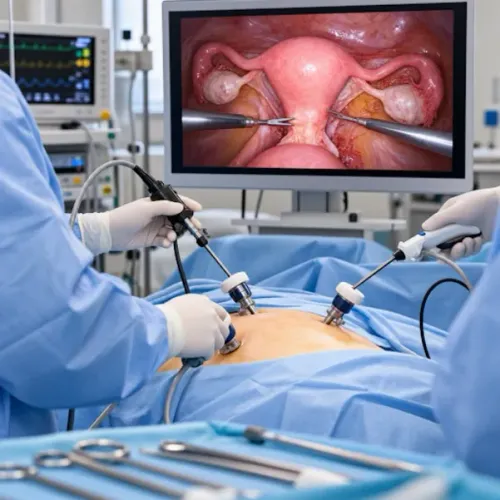
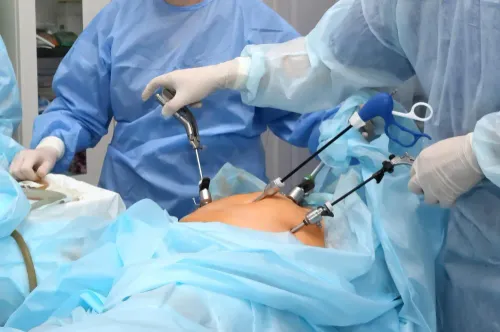
| Laparoscopy | General anaesthesia; day case or overnight stay | Shoulder-tip pain and fatigue are common; recovery takes about one to two weeks. Bleeding, organ injury and adhesions can affect fertility. |
| Myomectomy | General or regional anaesthesia; admission depends on approach | Recovery ranges from two to six weeks. Bleeding, adhesions and recurrent fibroids are risks; the uterus remains, but pregnancy timing needs medical advice. |
| Hysterectomy | General or regional anaesthesia; hospital stay varies by route | Recovery takes roughly two to eight weeks. It permanently ends pregnancy and carries bleeding, infection, clot and bladder or bowel-injury risks. |
At a gynecological care clinic in nashik, ask which route is planned and why. Bagul Nursing Home & Dr. Bagul’s Hope IVF Center should also explain alternatives, fertility consequences and warning signs before consent.
Related services
Treatment for Gynaecological Conditions Treatment for Gynaecological Conditions Gynaecological surgeries including D and E, Myomectomy, Hysterectomy and other are performed here by our doctors. View service → |
Fertility Solutions and Treatment Fertility Solutions and Treatment Fertility Solutions and Treatment A couple willing to have a baby and experiencing difficulty in the same is treated and investigated for the same. View service → |
Fertility, menopause and long-term women’s health decisions
Choose care by your goal, not by a single symptom. If you want pregnancy, request preconception advice, folic acid guidance, medication review, vaccination assessment and screening for anaemia, diabetes and thyroid disease. After 12 months of trying, or six months if you are 35 or older, discuss infertility evaluation.
A gynecologist for women health in Nashik should explain the purpose and limits of every test, including semen analysis, ovulation assessment, ovarian-reserve testing and tubal assessment. Do not choose fertility treatment by advertised success rates alone; ask about embryo-transfer practices, multiple-pregnancy risk and the plan for complications.
| Need | Care to consider | Important checkpoint |
|---|---|---|
| Pregnancy planning | Preconception consultation and antenatal follow-up | Arrange earlier review for diabetes, hypertension, thyroid disease or previous pregnancy loss |
| Infertility | Couple-based evaluation, medication, IUI or IVF when indicated | Confirm the cause before selecting treatment |
| Menopause symptoms | Lifestyle measures, non-hormonal treatment or menopausal hormone therapy | Investigate bleeding after menopause before prescribing hormones |
| Prevention and long-term health | Contraception counselling, STI prevention, cervical screening and indicated vaccination | Set a written follow-up date |
A gynecological care clinic in Nashik should provide clear test results, costs, warning signs and referral access for high-risk pregnancy, surgery or emergencies. Seek urgent care for severe pain, fainting, fever with pelvic pain, or heavy bleeding during possible pregnancy.
Frequently asked questions
When should you seek emergency gynecological care?
Use emergency services for pregnancy complications, severe infection, severe pain or major blood loss. Book prompt evaluation when symptoms persist, worsen or disrupt daily life.
How does a gynecologist confirm a condition before treatment?
The evaluation can include your medical and menstrual history, a physical examination, pregnancy testing, blood tests, ultrasound or other targeted investigations based on your symptoms.
How are fibroids, ovarian cysts, PCOS, endometriosis and abnormal bleeding treated?
Treatment depends on the diagnosis, symptom severity, age, pregnancy plans and test results. Options can include monitoring, medicines, hormonal devices, minimally invasive procedures or surgery.
How do fertility and menopause plans affect gynecological treatment?
Tell your gynecologist whether you want pregnancy now or later, or need menopause care. That information helps guide medication, procedures and long-term monitoring.
Related services
Ultrasonography Ultrasonography Ultrasonography In-house ultrasonography for pregnant women and follicular monitoring of patients undergoing treatment for infertility is provided. |
Treatment of Heavy menstrual bleeding Treatment of Heavy menstrual bleeding Treatment of Heavy menstrual bleeding For excessive bleeding during menses and bleeding for prolonged days we offer insertion of Mirena, Thermal... View service → |
Female Fertility Services 👩⚕️ Female Fertility Services Egg Freezing / Oocyte Cryopreservation PCOS and Endometriosis Management Tubal Blockage Treatment Thin Endometrium... View service → |
Hysteroscopy Hysteroscopy Done for diagnostic as well as therapeutic purpose for patients having conditions such as infertility, abnormal uterine bleeding, post menopausal... |
Keywords