Embryo transfer is one of the most important stages of an IVF cycle. Over the years, advances in reproductive medicine have improved embryo selection techniques, allowing fertility specialists to recommend blastocyst transfer for suitable patients. While not every IVF cycle follows the same approach, transferring a blastocyst can improve treatment planning in carefully selected cases.
Couples exploring IVF treatment in Nashik frequently ask whether blastocyst transfer offers better pregnancy outcomes than earlier-stage embryo transfer. The answer depends on several individual factors, including embryo development, maternal health, and the overall fertility treatment plan.
What Is a Blastocyst Transfer?
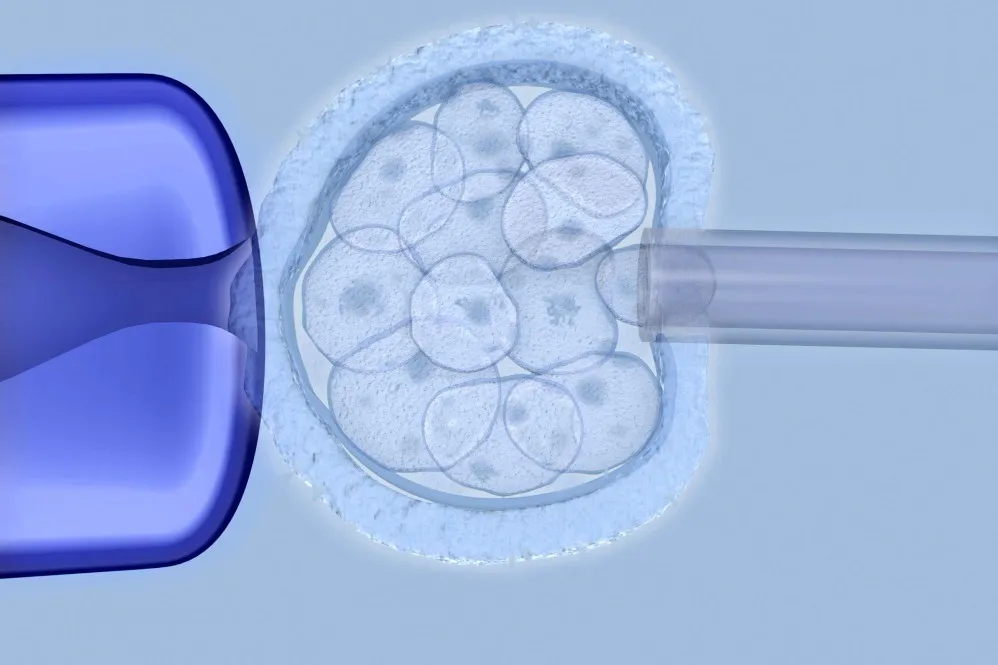
A blastocyst is an embryo that has developed in the laboratory for approximately five to six days after fertilization.
At this stage, the embryo has undergone further cell division and differentiation, making it easier for embryologists to assess its development before transfer.
Blastocyst transfer involves placing this more developed embryo into the uterus at the appropriate stage of the IVF cycle.
Why Is Blastocyst Culture Important?
Allowing embryos to develop until the blastocyst stage provides additional information about their growth and viability.
Benefits of extended embryo culture include:
- Better assessment of embryo development
- Improved embryo selection
- Synchronization with the natural timing of uterine implantation
- Reduced likelihood of transferring embryos that stop developing early
Not every fertilized egg reaches the blastocyst stage, which is why careful laboratory monitoring is essential throughout the culture period.
Who May Be a Suitable Candidate?
Blastocyst transfer may be recommended for patients who have:
- Multiple healthy embryos developing during IVF
- Good ovarian response
- Previous unsuccessful IVF attempts requiring a revised strategy
- Favorable uterine conditions
- No contraindications identified during treatment planning
The decision is individualized and made after continuous assessment by both the fertility specialist and embryologist.
Advantages of Blastocyst Transfer
For selected patients, blastocyst transfer offers several potential benefits.
These include:
- Improved embryo selection
- Better synchronization with the uterine lining
- Higher implantation potential in appropriate cases
- Opportunity to transfer fewer embryos while maintaining treatment effectiveness
- Lower risk of multiple pregnancy when a single high-quality blastocyst is transferred
Although these advantages are encouraging, successful pregnancy still depends on many maternal and embryonic factors.
Does Blastocyst Transfer Guarantee Success?
No fertility treatment can guarantee pregnancy.
Success depends on several important factors, including:
- Maternal age
- Egg quality
- Sperm quality
- Embryo development
- Uterine health
- Hormonal balance
- Overall medical condition
Blastocyst transfer is one component of a carefully coordinated IVF treatment plan rather than a standalone solution.
Questions Worth Discussing With Your Fertility Specialist
Before proceeding with embryo transfer, couples should understand why a particular approach is being recommended.
Useful questions include:
- Am I a suitable candidate for blastocyst transfer?
- How many embryos are developing well?
- Is single embryo transfer appropriate?
- What are the expected success rates in my situation?
- Are there any risks associated with extended embryo culture?
An informed discussion helps patients understand the reasoning behind every stage of treatment.
Preparing for Embryo Transfer
Once blastocyst transfer has been planned, patients should follow all medical instructions carefully.
This may include:
- Taking prescribed medications regularly
- Attending scheduled monitoring appointments
- Maintaining a healthy lifestyle
- Managing stress through adequate rest and relaxation
- Following post-transfer guidance provided by the fertility team
Good preparation supports the overall IVF process, although implantation itself depends on complex biological factors beyond patient control.
Personalized IVF Treatment in Nashik
Successful fertility treatment combines experienced medical care with advanced embryology techniques and individualized planning. Bagul Nursing Home and Dr. Bagul's Hope IVF Center offers comprehensive IVF services, including blastocyst culture and transfer whenever appropriate based on each couple's fertility profile.
By selecting treatment strategies that align with the patient's unique medical needs, the centre helps couples make informed decisions while pursuing the goal of building a healthy family.
Keywords