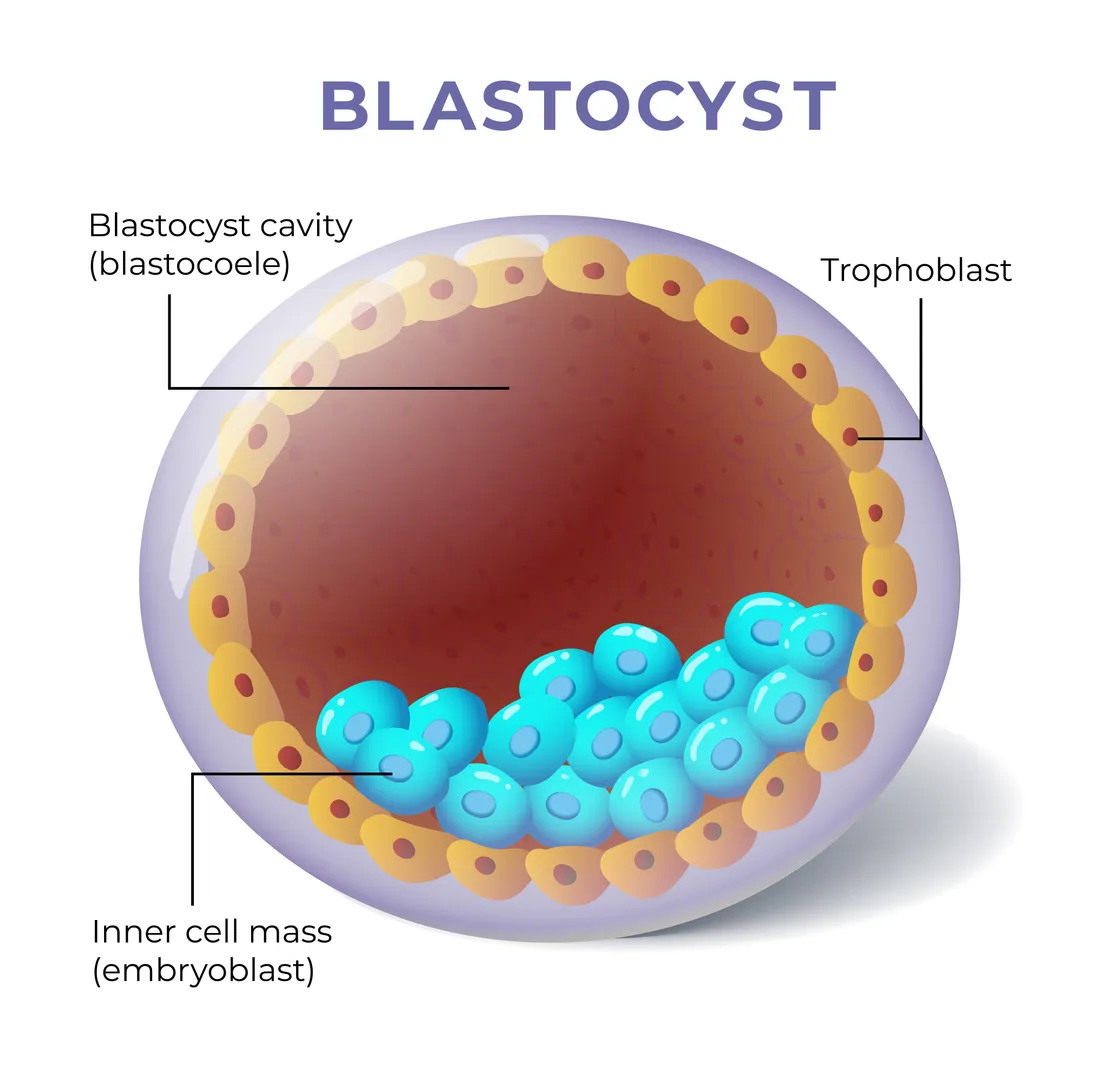
When couples begin exploring advanced fertility options, they often come across the term Blastocyst Transfer Treatment. While it may sound technical, this stage of IVF focuses on allowing embryos to develop further before transfer, helping fertility specialists make more informed decisions during the treatment process.
At Bagul Nursing Home and Dr. Bagul’s Hope IVF Center in Nashik, blastocyst transfer is considered as part of a personalized IVF plan. Instead of transferring embryos after a few days of development, the embryos are carefully monitored in a specialized laboratory environment until they reach the blastocyst stage, typically around the fifth day. This additional development period provides valuable information about embryo growth and quality.
Some important aspects of blastocyst transfer include:
- Extended embryo development before transfer
- Better assessment of embryo growth patterns
- Improved synchronization with the uterine environment
- Individualized treatment planning based on embryo progression
- Advanced laboratory monitoring throughout the process
Many patients appreciate understanding how every stage of IVF serves a purpose. The additional observation period can help fertility specialists identify embryos that demonstrate strong developmental potential. However, the suitability of blastocyst transfer depends on factors such as embryo quality, age, fertility history, and overall treatment goals.
Fertility treatment is often a journey of patience and informed decision-making. Learning about procedures such as blastocyst transfer can help couples feel more involved in their treatment and better prepared for the next steps.
To understand whether blastocyst transfer may be suitable for your fertility journey, contact Bagul Nursing Home and Dr. Bagul’s Hope IVF Center in Nashik.
Keywords