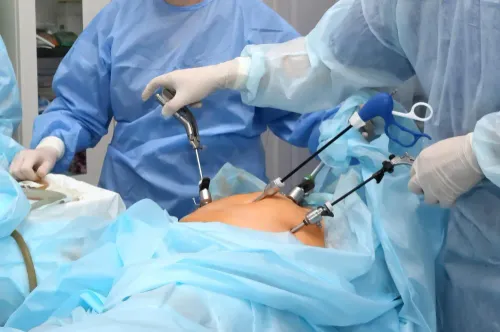
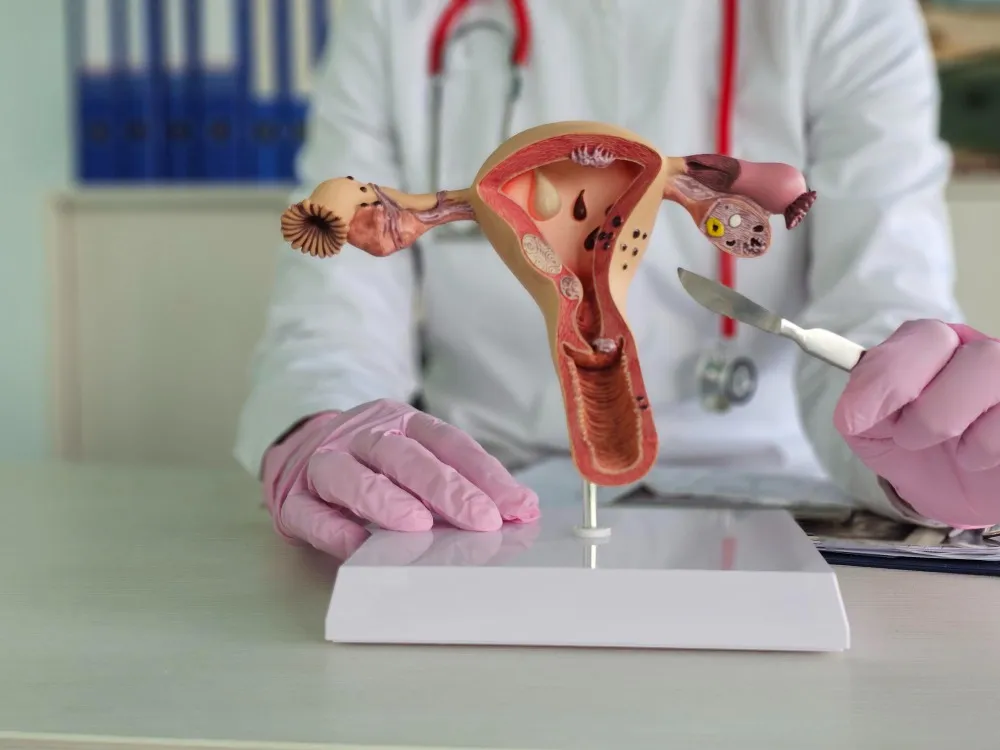
A hysterectomy is one of the most commonly performed gynecological surgeries, yet many women feel anxious when the procedure is recommended. Questions about recovery, hormonal changes, future health, and daily life are completely natural. Learning why a hysterectomy is advised and understanding the available surgical options can help women make informed healthcare decisions with greater confidence.
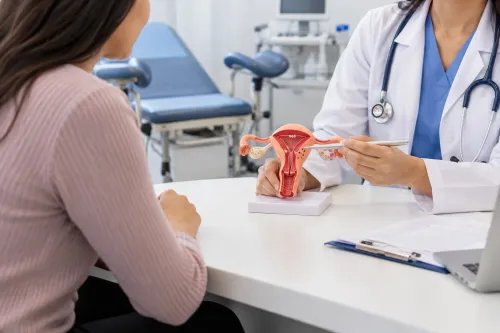
Women in Nashik are increasingly seeking specialist consultations before undergoing major gynecological surgery. A thorough evaluation helps determine whether a hysterectomy is truly necessary or if alternative treatments are appropriate.
What Is a Hysterectomy?
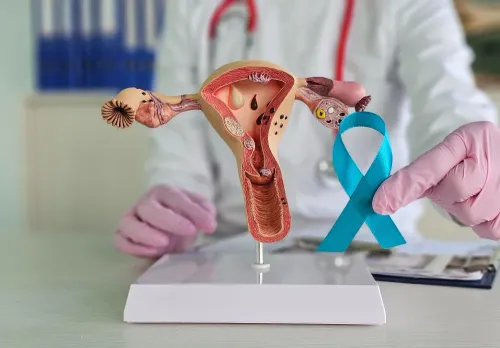
A hysterectomy is the surgical removal of the uterus. Depending on the medical condition, the surgery may also involve removing the cervix, fallopian tubes, or ovaries.
Once the uterus is removed, pregnancy is no longer possible. Because of its long-term implications, the procedure is recommended only when medically justified.
Conditions That May Require a Hysterectomy
A hysterectomy is generally considered after careful evaluation and when other treatments are unlikely to provide lasting relief.
Common medical reasons include:
- Large uterine fibroids causing severe symptoms
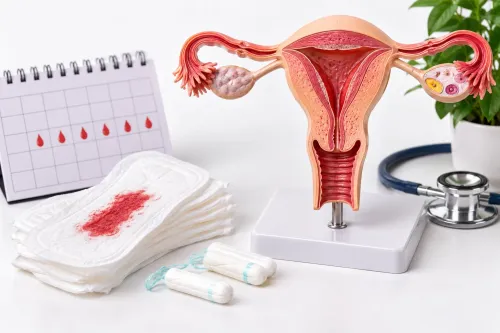
- Heavy menstrual bleeding that does not respond to treatment
- Chronic pelvic pain
- Endometriosis
- Adenomyosis
- Uterine prolapse
- Certain precancerous conditions
- Gynecological cancers
The decision depends on symptom severity, age, reproductive plans, and overall health.
Different Types of Hysterectomy
The type of surgery varies according to the underlying condition.
Total Hysterectomy
The uterus and cervix are removed. This is the most commonly performed procedure.
Partial Hysterectomy
Only the uterus is removed while the cervix remains intact in selected cases.
Radical Hysterectomy
Performed mainly for certain cancers, this surgery removes additional surrounding tissues when medically required.
Your gynecologist explains the most suitable approach after reviewing diagnostic findings.
Surgical Approaches
Modern gynecology offers several techniques for hysterectomy.
These include:
- Open abdominal surgery
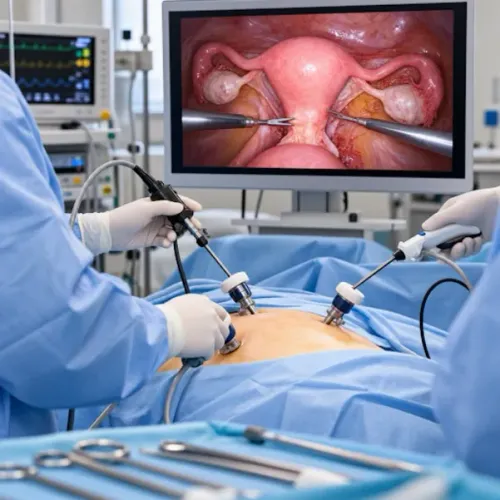
- Laparoscopic (keyhole) surgery
- Vaginal hysterectomy
- Robot-assisted surgery in selected centres
Minimally invasive techniques often provide smaller incisions, less postoperative discomfort, and quicker recovery whenever clinically appropriate.
What to Expect During Recovery
Recovery differs depending on the surgical approach and individual health.
Most women are advised to:
- Walk gently soon after surgery
- Avoid lifting heavy objects
- Follow wound care instructions
- Eat a balanced, protein-rich diet
- Drink adequate fluids
- Attend follow-up visits
- Resume activities gradually as advised by the surgeon
Complete recovery may take several weeks, and patience is essential during the healing process.
Will Hormones Change After Surgery?
Hormonal changes depend on whether the ovaries are removed during the procedure.
If the ovaries remain healthy and are preserved, hormone production usually continues naturally.
When the ovaries must be removed for medical reasons, symptoms of menopause may occur, and treatment options can be discussed with the gynecologist.
Questions to Discuss Before Surgery
Before making a decision, consider asking your doctor:
- Why is a hysterectomy recommended?
- Are there non-surgical alternatives?
- Which surgical approach is most suitable?
- How long will recovery take?
- What restrictions should I expect?
- Will my ovaries be preserved?
- How will this affect my long-term health?
Open communication ensures realistic expectations and greater confidence before surgery.
Comprehensive Gynecological Care in Nashik
Choosing experienced gynecological care is essential when considering major surgery. Bagul Nursing Home and Dr. Bagul's Hope IVF Center provides detailed evaluations, advanced diagnostic services, and individualized treatment planning to help women understand all available options before recommending a hysterectomy.
With timely diagnosis, evidence-based care, and appropriate follow-up, women can recover successfully while improving their overall health and quality of life.
Keywords