IVF and ICSI are sometimes used interchangeably in everyday conversations about fertility treatment, but they refer to different laboratory approaches.
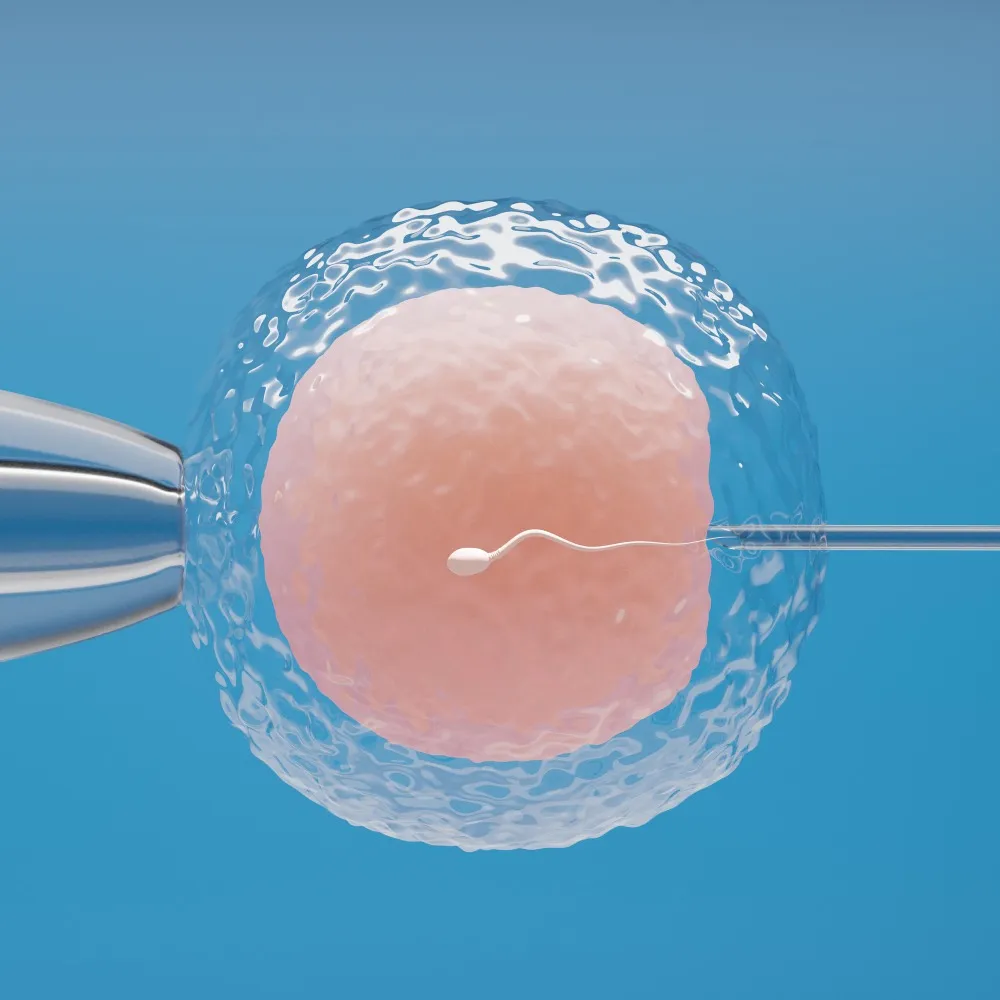
ICSI treatment, or intracytoplasmic sperm injection, is a fertilisation technique used within an IVF cycle. Its distinguishing feature is that an embryologist introduces a selected sperm directly into a mature egg rather than allowing sperm and egg to interact through conventional laboratory insemination.
For some couples, understanding this distinction can make recommendations during an IVF consultation much easier to follow.
How Does ICSI Work?
The early stages resemble an IVF cycle.
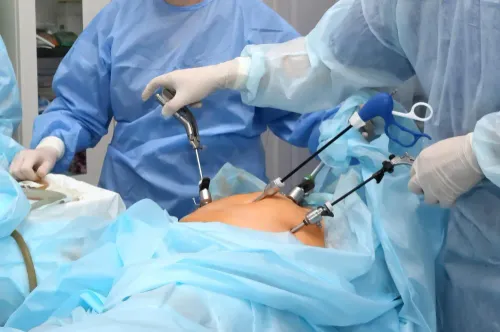
The ovaries are stimulated, follicular development is monitored, and eggs are retrieved when clinically appropriate. A semen sample is also obtained or sperm may be retrieved through a procedure when indicated.
In the laboratory, mature eggs suitable for ICSI are identified.
A sperm is selected and injected into the cytoplasm of an egg using specialised laboratory equipment. The eggs are subsequently monitored for signs of fertilisation and embryo development.
ICSI assists with the fertilisation step. It does not guarantee fertilisation, embryo development, implantation or pregnancy.
Why Might a Fertility Specialist Discuss ICSI?
ICSI may be considered when sperm-related findings could make conventional fertilisation more difficult.
Examples can include:
- Low sperm concentration
- Reduced sperm motility
- Certain sperm morphology concerns
- Surgically retrieved sperm
- Previous fertilisation difficulties
- Specific clinical circumstances identified during IVF planning
The decision depends on the couple’s fertility history and laboratory findings.
Does Every IVF Cycle Need ICSI?
No.
This is an important question for couples comparing fertility options.
Conventional IVF remains an appropriate fertilisation method in many circumstances. ICSI is an additional laboratory technique rather than automatically a superior form of IVF.
The relevant question is whether there is a clinical or laboratory reason for using it.
What Happens After ICSI?
Once fertilisation has been assessed, embryos are monitored as they develop.
Depending on embryo development and the treatment plan, transfer may occur at an appropriate developmental stage, or suitable embryos may be frozen for later use.
Embryo transfer is therefore a separate stage from ICSI.
Patients sometimes assume that injecting sperm directly into an egg removes all other biological uncertainties. In reality, successful fertility treatment still depends on multiple factors including egg characteristics, sperm factors, embryo development, uterine conditions and individual reproductive circumstances.
Why Does Laboratory Quality Matter?
ICSI is a technically precise procedure.
Laboratory handling, appropriate equipment, embryology processes and careful identification of eggs and sperm all contribute to the treatment pathway. Couples considering ICSI can therefore ask how fertilisation will be assessed, how embryos are monitored and why ICSI has specifically been recommended in their case.
At Bagul Nursing Home and Dr. Bagul’s Hope IVF Center in Nashik, ICSI can form part of an individualized fertility plan when clinical findings indicate that assisted fertilisation may be appropriate.
For couples across Nashik and nearby areas of Maharashtra, a useful fertility consultation should explain not simply what ICSI is, but what problem the procedure is intended to address.
That distinction matters. Fertility technology is most meaningful when it is selected according to an identified need rather than added routinely without a clear reason.
Keywords