When pregnancy is taking longer than expected, couples may hear about both IUI and IVF during fertility discussions. Although the two treatments share the goal of improving the opportunity for conception, their processes are very different.
Understanding where IUI treatment fits within fertility care can help couples avoid assuming that more complex treatment is automatically the better first option.
How Does IUI Work?
IUI stands for intrauterine insemination.
A semen sample is processed in the laboratory to prepare motile sperm. Around the expected time of ovulation, the prepared sperm is introduced directly into the uterus through a thin catheter.
Fertilisation itself still needs to occur naturally inside the reproductive tract. Therefore, several biological steps remain necessary after insemination, including sperm reaching the egg, fertilisation and subsequent implantation.
How Is IVF Different?
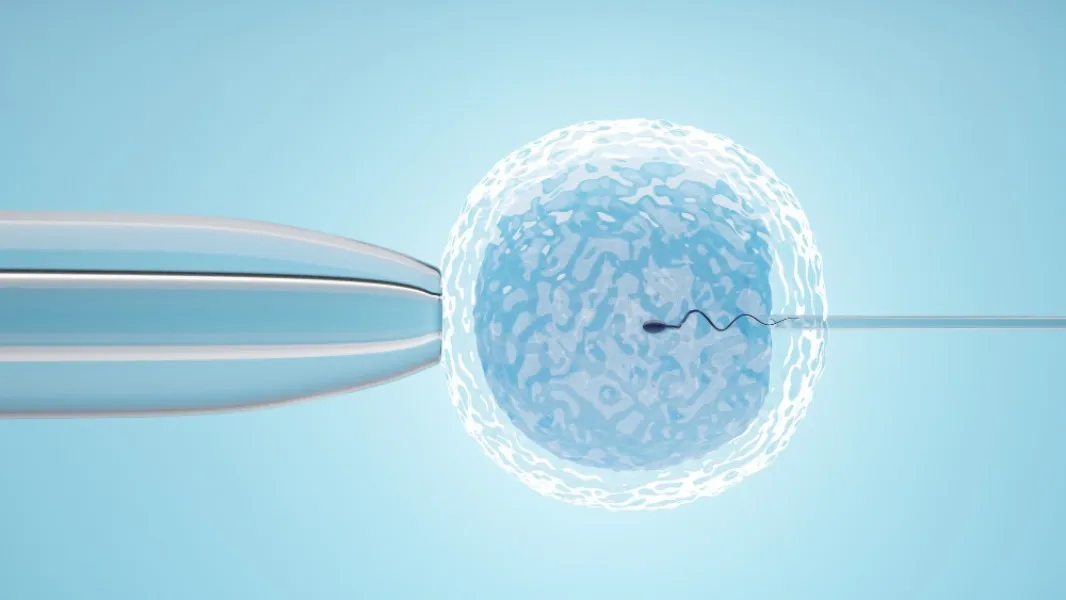
With IVF, eggs are retrieved from the ovaries and fertilisation occurs in the laboratory. Developing embryos are monitored before an embryo is transferred into the uterus.
IVF therefore provides laboratory access to stages that occur inside the body during an IUI cycle.
This difference is important because the suitability of IUI depends on factors such as tubal function, ovulation and sperm characteristics.
When Might IUI Be Considered?
IUI may be discussed in selected cases involving:
- Certain ovulation-related difficulties
- Some cases of unexplained infertility
- Selected mild male-factor fertility concerns
- Situations where prepared sperm needs to be introduced into the uterus
- Specific treatment circumstances identified during fertility evaluation
The presence of at least one appropriately functioning fallopian tube is generally important because fertilisation still occurs within the reproductive tract.
When May IVF Be More Appropriate?
There are situations where repeatedly attempting IUI may not be the most suitable approach.
IVF may be considered when investigations identify significant tubal disease, certain more substantial male-factor fertility issues, diminished reproductive potential associated with age or ovarian reserve, or when previous less-invasive fertility treatments have not resulted in pregnancy.
The choice should therefore be based on diagnosis rather than on which procedure sounds simpler.
Is IUI Always the First Fertility Treatment?
Not necessarily.
Some couples may not need assisted reproduction at all. Others may be reasonable candidates for IUI, while certain findings can make IVF or another fertility technique more appropriate from the beginning.
Before recommending treatment, a fertility assessment may examine ovulation, ovarian reserve, uterine health, fallopian tube status and semen parameters.
Age and duration of infertility are also important because they can influence how long it is reasonable to continue with a particular approach.
What Should Couples Ask Before Starting IUI?
Useful questions include:
- What fertility factor are we trying to address with IUI?
- Are the fallopian tubes suitable for this approach?
- Will medications be required?
- How will ovulation be monitored?
- What sperm parameters were found?
- At what point would the treatment plan need reassessment?
These questions help shift the conversation away from simply “trying IUI” toward understanding why it has been recommended.
Couples seeking fertility care in Nashik can discuss these considerations at Bagul Nursing Home and Dr. Bagul’s Hope IVF Center, where the appropriate pathway can be considered after evaluating both partners.
The most useful comparison is therefore not whether IUI or IVF is universally better. It is whether the proposed treatment matches the fertility factors identified in a particular couple.
Keywords