

When sperm cannot be obtained adequately through ejaculation, fertility treatment may involve retrieving sperm directly from the male reproductive system. Two terms couples may encounter are PESA and TESA.
Although both are sperm retrieval techniques, the location from which sperm is obtained differs. Understanding that distinction is useful when evaluating a treatment recommendation.
What Is the PESA Procedure?
PESA procedure stands for percutaneous epididymal sperm aspiration.
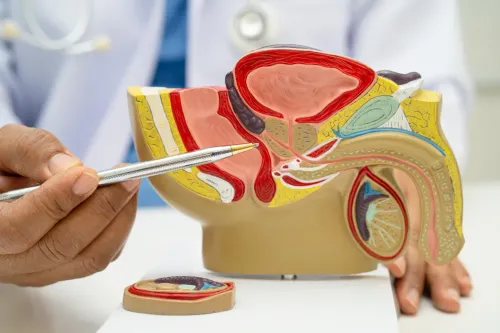
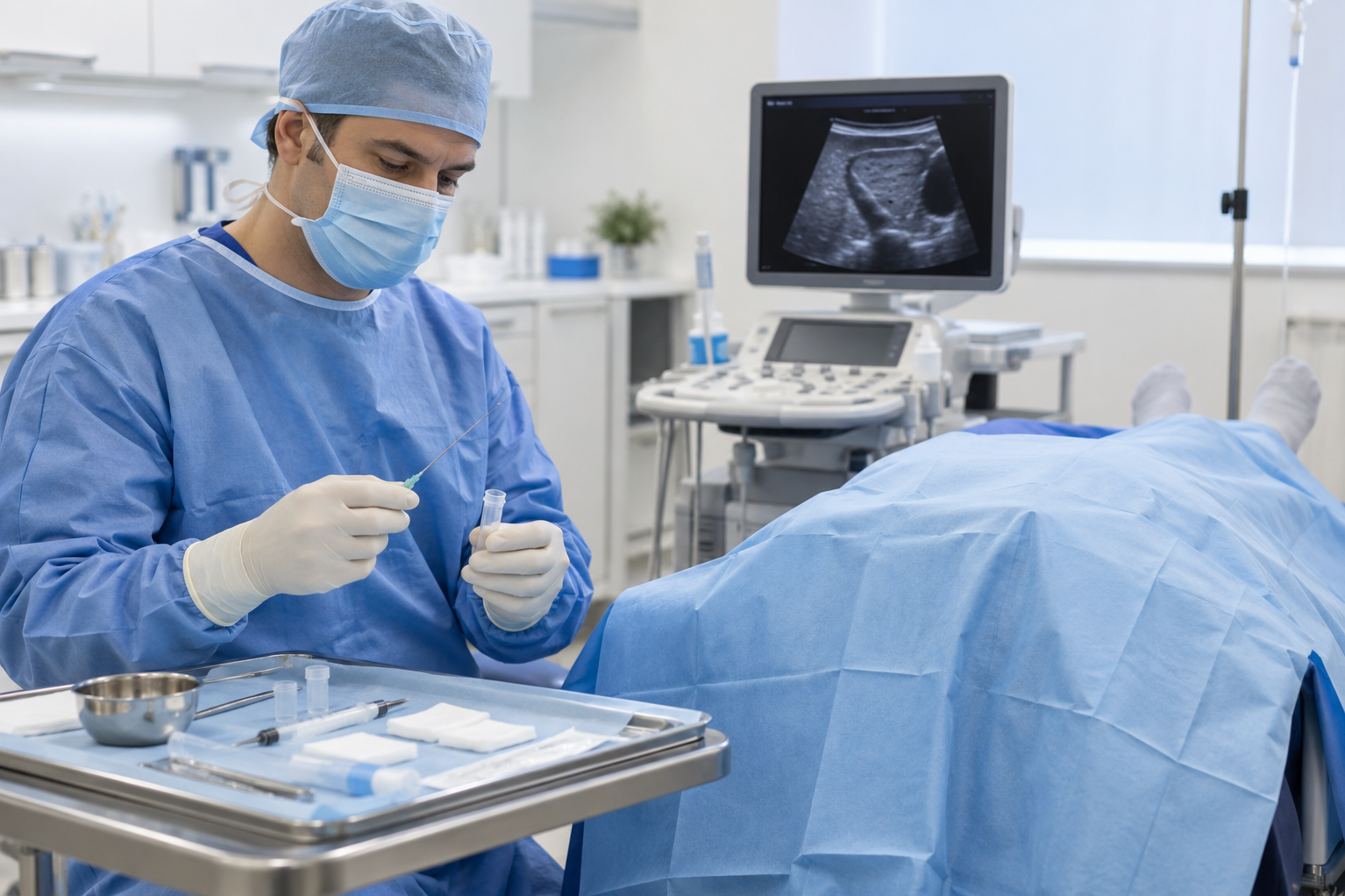
The epididymis is a structure where sperm mature and are stored after leaving the testis. During PESA, a fine needle is used to aspirate fluid from the epididymis so that it can be examined for sperm.
PESA may be considered in selected situations where sperm production is present but an obstruction prevents sperm from appearing normally in the ejaculate.
How Is TESA Different?
TESA stands for testicular sperm aspiration.
Rather than obtaining material from the epididymis, TESA retrieves it from the testis.
Which method is appropriate depends on the suspected cause of infertility, previous procedures, anatomy, diagnostic findings and the fertility treatment strategy.
This is why PESA and TESA should not be viewed simply as interchangeable procedures.
What Evaluation Usually Comes First?
Before sperm retrieval, clinicians generally need to understand why sperm are absent or severely reduced in the ejaculate.
Assessment can include:
- Repeated semen analysis where appropriate
- Medical and reproductive history
- Physical examination
- Hormonal evaluation
- Previous surgical history
- Selected genetic or other investigations when clinically indicated
A history of vasectomy, congenital reproductive tract differences, infection or other obstructive conditions may influence the evaluation.
How Are Retrieved Sperm Used?
The amount of sperm retrieved through aspiration may be limited, and the sperm may not have the same characteristics as sperm in a conventional semen sample.
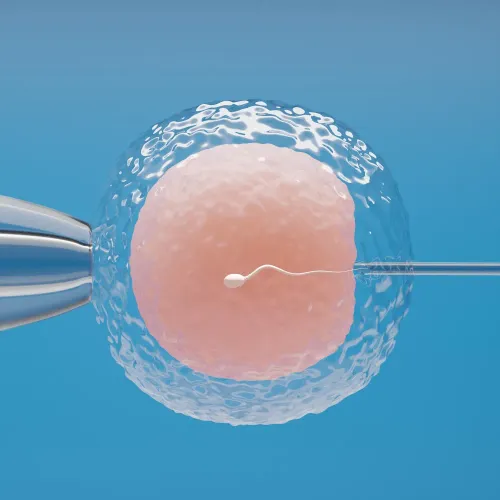
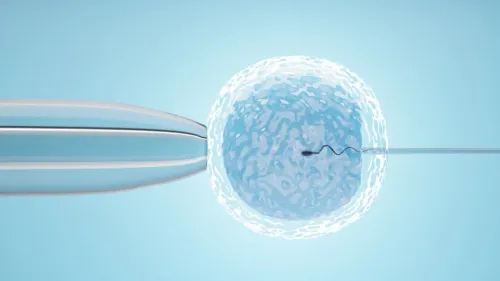
For this reason, retrieved sperm are often used with ICSI as part of IVF treatment.
During ICSI, an embryologist introduces an individual sperm into a mature egg. Fertilisation and subsequent embryo development are then monitored in the laboratory.
This means couples considering PESA should also understand the female partner’s IVF plan rather than focusing exclusively on sperm retrieval.
Questions Worth Asking Before Choosing a Retrieval Technique
Patients can make a more informed decision by asking:
- What is the likely cause of the absent sperm?
- Is the condition thought to be obstructive or non-obstructive?
- Why is PESA preferred in this situation?
- What alternatives could be considered?
- How will retrieved sperm be used?
- Can suitable retrieved sperm be cryopreserved?
- What is the plan if sperm are not obtained through the initial method?
Clear answers make it easier to understand the reasoning behind the procedure.
At Bagul Nursing Home and Dr. Bagul’s Hope IVF Center in Nashik, male and female fertility findings can be considered together when planning assisted reproduction and sperm retrieval.
For patients across Nashik and nearby Maharashtra communities, the key consideration is not whether PESA sounds less or more advanced than another procedure. The important issue is whether the retrieval technique matches the underlying reproductive problem and fits logically into the couple’s broader fertility treatment plan.